1. General Information
Vectibix is an anticancer medicine containing panitumumab, a fully human monoclonal antibody that targets the epidermal growth factor receptor (EGFR). It is primarily used for adults with appropriate biomarker characteristics and metastatic colorectal cancer.
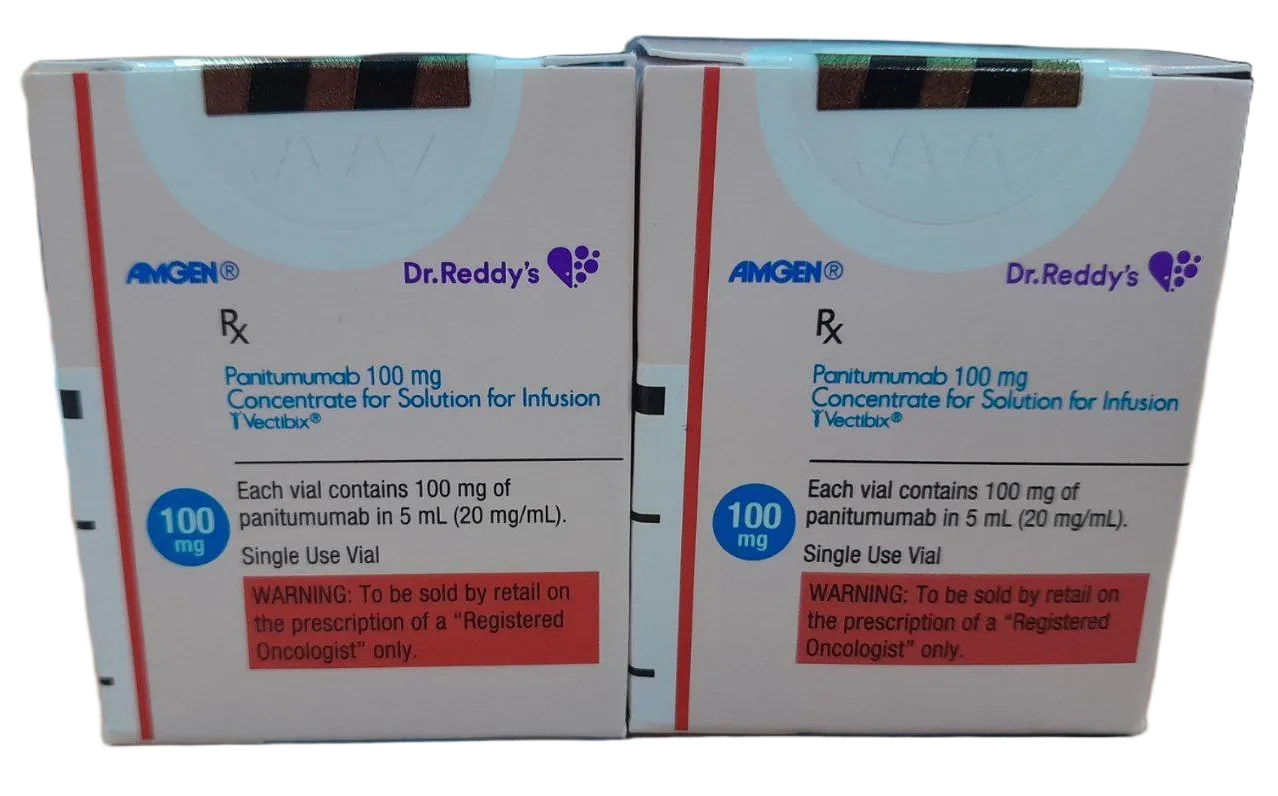
Product: Vectibix 100 mg Injection
Active ingredient: Panitumumab
Drug class: Monoclonal antibody / targeted anticancer therapy
Therapeutic area: Oncology – colorectal cancer
Route: Intravenous infusion
Prescription status: Prescription-only medicine
2. Product Information
Vectibix is supplied as a concentrate for preparation of an intravenous infusion. The EMA lists Vectibix as 20 mg/mL, including a 5 mL vial containing 100 mg of panitumumab.
The dose is generally calculated according to body weight rather than simply administering the entire 100 mg vial. The EMA-listed recommended dosage is 6 mg/kg once every two weeks, with administration by intravenous infusion.
3. Uses of Vectibix 100 mg Injection
Vectibix may be used for eligible adult patients with RAS wild-type metastatic colorectal cancer.
Depending on the regulatory indication and treatment plan, it may be used:
- In combination with FOLFOX as first-line therapy.
- In combination with FOLFIRI in certain treatment settings.
- As monotherapy following progression after specified chemotherapy regimens.
- In the United States, Vectibix also has an indication in combination with sotorasib for certain previously treated patients with KRAS G12C-mutated metastatic colorectal cancer.
4. Benefits of Vectibix
Potential therapeutic benefits include:
- Targeted inhibition of EGFR signalling.
- May slow the progression of certain metastatic colorectal cancers.
- Can be used with chemotherapy in appropriately selected patients.
- May provide a treatment option after previous chemotherapy has failed.
- Treatment selection based on RAS status helps identify patients most likely to benefit.
The benefits vary considerably between patients and depend on tumour genetics, previous treatments and the overall treatment plan.
5. Side Effects of Vectibix
Vectibix can cause significant adverse reactions, particularly skin-related toxicity. The FDA prescribing information warns that dermatologic toxicities occurred in about 90% of patients receiving Vectibix monotherapy, with severe reactions occurring in some patients.
Other possible adverse effects include:
- Diarrhoea
- Nausea and vomiting
- Fatigue
- Abdominal pain
- Reduced appetite
- Fever
- Skin inflammation
- Dry skin
- Itching
- Nail-bed inflammation/infection
- Infusion-related reactions
- Electrolyte abnormalities
Serious or persistent symptoms should be reported promptly to the treating healthcare professional.
6. Common Side Effects
Commonly reported adverse effects include:
- Rash
- Acne-like skin inflammation
- Dry skin
- Itching
- Skin redness
- Diarrhoea
- Nausea
- Vomiting
- Constipation
- Abdominal discomfort
- Fatigue
- Fever
- Reduced appetite
- Nail changes or paronychia
Skin reactions are particularly characteristic of panitumumab therapy.
7. How to Use Vectibix 100 mg Injection
Vectibix is not a medicine for self-administration. It should be prepared and administered by trained healthcare professionals.
The EMA recommends a dose of 6 mg/kg every two weeks, generally administered as an intravenous infusion over approximately 60 minutes. Treatment may require dose modification or interruption if severe skin toxicity develops.
The appropriate dose, infusion schedule and duration of treatment must be determined by the oncologist.
8. How Vectibix Works
Panitumumab is a monoclonal antibody that binds to EGFR (epidermal growth factor receptor) on the surface of certain cells.
By blocking EGFR signalling, panitumumab interferes with cellular signals involved in tumour-cell growth and spread. However, tumours with activating RAS mutations generally do not respond to EGFR inhibition in the same way, which is why molecular testing is important before treatment.
9. Safety Advice for Vectibix
- Use only under the supervision of an experienced oncology professional.
- Confirm the appropriate RAS biomarker status before treatment where required by the indication.
- Monitor carefully for skin reactions.
- Inform the doctor about previous severe allergic reactions to panitumumab.
- Report breathing difficulties, severe rash, fever, severe diarrhoea or other serious symptoms immediately.
- Electrolytes, including magnesium, may require monitoring during treatment.
- Vectibix should not be used in patients with a previous severe or life-threatening hypersensitivity reaction to panitumumab.
- Certain combinations, particularly with oxaliplatin-containing chemotherapy, have specific restrictions depending on RAS status.
- Patients should follow the prescribing information applicable in their country.
10. FAQs
Q1. What is Vectibix 100 mg Injection?
Vectibix 100 mg is an intravenous oncology formulation containing 100 mg of panitumumab, used for specific colorectal cancer indications.
Q2. What is the generic name of Vectibix?
The active ingredient is panitumumab.
Q3. What cancer is Vectibix used for?
It is used primarily for selected patients with metastatic colorectal cancer based on appropriate molecular characteristics.
Q4. Is Vectibix a chemotherapy medicine?
It is better classified as a targeted monoclonal antibody therapy, rather than conventional cytotoxic chemotherapy.
Q5. How often is Vectibix administered?
The EMA-recommended regimen is generally 6 mg/kg every two weeks, administered by intravenous infusion.
Q6. Does every colorectal cancer patient qualify for Vectibix?
No. Eligibility depends on factors including tumour molecular characteristics, previous treatments and the applicable approved indication.
Q7. Can Vectibix cause skin problems?
Yes. Skin-related reactions are among the most common and clinically important adverse effects.
Q8. Can Vectibix be self-injected?
No. It is an intravenous infusion that should be administered by qualified healthcare professionals.
11. Substitute for Vectibix
The appropriate substitute depends on the patient's cancer type, RAS/KRAS/NRAS status, previous treatment and local regulatory approval. Possible alternative targeted therapy may include cetuximab in appropriately selected colorectal cancer patients, but it is not automatically interchangeable with panitumumab. Treatment substitution should therefore be decided by an oncologist. FDA materials also identify cetuximab and panitumumab as EGFR-targeted treatment options in biomarker-selected colorectal cancer.
For procurement purposes, a product should not be described as a substitute merely because it contains a similar anticancer mechanism; the exact strength, formulation, manufacturer and regulatory status should be verified.
12. Keywords
Primary keywords:
- Vectibix 100 mg Injection
- Vectibix 100mg
- Panitumumab 100 mg Injection
- Panitumumab Injection
- Vectibix Panitumumab
- Panitumumab 20 mg/ml
- Vectibix 100 mg vial
- Panitumumab oncology medicine
- Panitumumab colorectal cancer treatment
- Vectibix metastatic colorectal cancer
- Vectibix EGFR inhibitor
- RAS wild-type colorectal cancer treatment
- Vectibix injection exporter
- Vectibix medicine exporter India
- Panitumumab exporter from India
- Vectibix supplier India
- Vectibix pharmaceutical exporter
- Vectibix 100 mg supplier
- Panitumumab medicine supplier
- Oncology medicine exporter India
- Cancer medicine exporter from Nagpur
- Pharmaceutical exporter Nagpur India
- Vectibix supplier USA
- Vectibix supplier UK
- Vectibix supplier Australia
- Vectibix supplier Singapore
- Vectibix supplier Canada
- Vectibix supplier South Korea
- Vectibix supplier UAE
Keywords