1. General Information
Amantrel is an anti-parkinsonian medicine containing amantadine. It may help improve movement control and reduce symptoms such as muscle stiffness and tremors in people with Parkinson’s disease. It may also be prescribed for certain medication-induced movement disorders.
Amantadine affects chemical signaling in the brain, particularly pathways involving dopamine, which plays an important role in movement and coordination.
2. Product Information
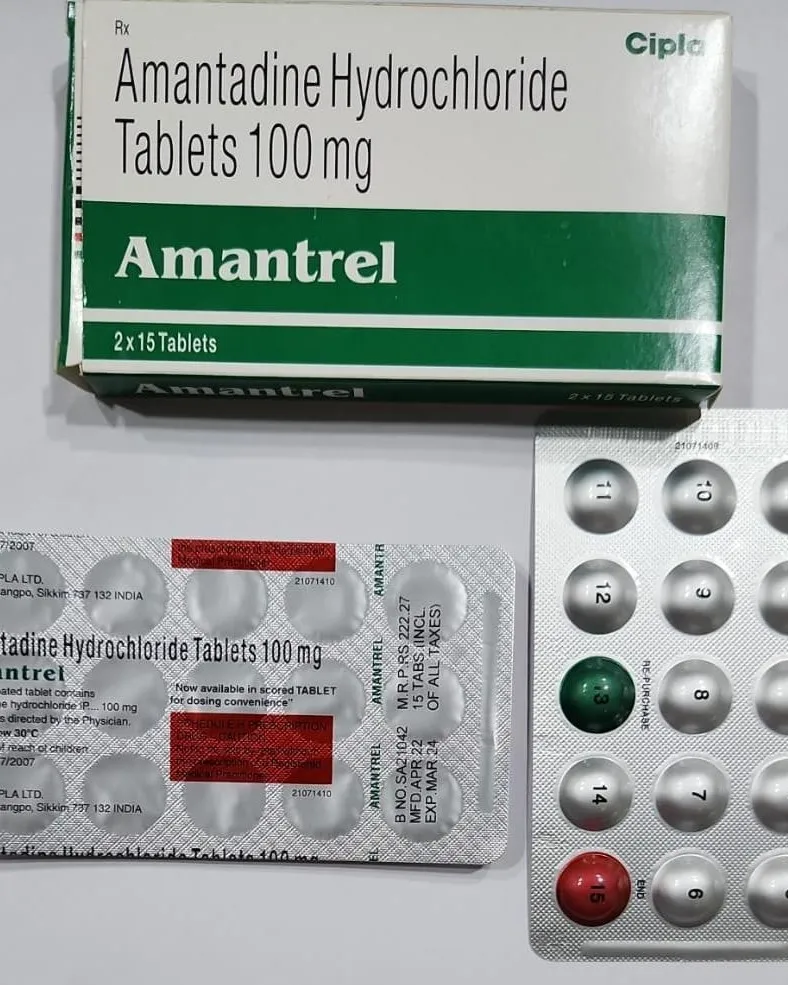
Brand: Amantrel Tablet
Active ingredient: Amantadine
Strength: 100 mg for the standard Amantrel Tablet
Dosage form: Oral tablet
Manufacturer/Marketer: Cipla Ltd
Therapeutic category: Anti-parkinsonian medicine
Route: Oral
Storage: Store below 30°C unless the product label specifies otherwise.
Prescription status: Prescription medicine
Note: Amantrel is also available in other formulations/strengths, including extended-release products. Product strength and formulation should always be confirmed before use.
3. Uses of Amantrel Tablets
Amantrel may be prescribed for:
Parkinson’s disease
Symptoms such as stiffness, tremor, and slowed or impaired movement associated with Parkinson’s disease
Certain drug-induced movement disorders, when prescribed by a healthcare professional
Amantadine has also historically been used against influenza A, but its current use depends on local treatment guidelines and viral susceptibility; it should not be self-used for influenza.
4. Benefits of Amantrel Tablets
When appropriately prescribed, Amantrel may:
Help reduce muscle stiffness
Improve movement and mobility
Help control tremor and other Parkinsonian movement symptoms
Improve muscle coordination and physical functioning
Help manage certain drug-induced movement problems
The response varies between individuals, and Amantrel is intended to manage symptoms rather than cure Parkinson’s disease.
5. Side Effects of Amantrel Tablets
Like other medicines, Amantrel can cause side effects. They may vary according to dose, age, kidney function, other medicines, and individual response.
Possible side effects include:
Nausea or vomiting
Dizziness or light-headedness
Difficulty sleeping
Dry mouth
Constipation
Headache
Drowsiness or tiredness
Confusion
Swelling of the legs or ankles
Livedo reticularis, a lace-like purplish skin pattern
Seek medical attention promptly for serious symptoms such as hallucinations, severe confusion, fainting, significant swelling, difficulty breathing, severe behavioral changes, or suicidal thoughts.
6. Common Side Effects
Reported/common effects can include:
Nausea
Dizziness
Insomnia or sleep disturbance
Dry mouth
Constipation
Decreased appetite
Headache
Tiredness
Peripheral edema
Livedo reticularis
Many mild effects may improve as the body adjusts to treatment, but persistent or troublesome symptoms should be discussed with a doctor.
7. How to Use Amantrel Tablets
Take Amantrel exactly as prescribed by your doctor. The usual instructions include:
Take the tablet at the prescribed dose and frequency.
It may generally be taken with or without food.
Take it at approximately the same time each day.
Swallow the tablet whole with water; do not crush or chew it unless specifically instructed.
If you miss a dose, take it when remembered unless it is nearly time for the next dose. Do not double the dose.
Do not stop long-term treatment suddenly without medical advice, as abrupt withdrawal can cause serious symptoms.
The appropriate dose can differ significantly between patients, particularly in people with reduced kidney function.
8. How Amantrel Works
Amantadine influences neurotransmitter activity in the brain and is thought to increase dopamine availability in areas involved in movement control. This can help improve motor symptoms such as stiffness, tremor, and impaired mobility in Parkinson’s disease.
Its precise mechanism in Parkinson’s disease is complex and may involve several neurological pathways.
9. Safety Advice for Amantrel Tablets
Kidney disease: Inform your doctor before using Amantrel because amantadine is substantially eliminated through the kidneys and dosage adjustment may be necessary.
Seizures: Tell your doctor if you have a history of seizures.
Mental health: Report hallucinations, unusual behavior, severe confusion, depression, or suicidal thoughts promptly.
Dizziness: Rise slowly from sitting or lying positions because amantadine may cause light-headedness or fainting.
Driving: Avoid driving or operating machinery until you know how the medicine affects you because drowsiness, dizziness, or blurred vision may occur.
Pregnancy: Consult a healthcare professional before use during pregnancy because amantadine may pose fetal risks.
Breastfeeding: Discuss use with your doctor before taking amantadine while breastfeeding.
Drug interactions: Inform your doctor about all prescription medicines, OTC medicines, vitamins, and supplements you use. Certain antihistamines, sleep medicines, motion-sickness medicines, and sodium bicarbonate products can interact with amantadine.
Alcohol: Discuss alcohol consumption with your healthcare professional because it may worsen dizziness or drowsiness.
Sudden discontinuation: Do not discontinue treatment abruptly without medical advice.
10. Frequently Asked Questions (FAQs)
Q1. What is Amantrel Tablet used for?
Amantrel 100 mg Tablet is primarily used to manage symptoms of Parkinson’s disease and may also be prescribed for certain drug-induced movement disorders.
Q2. What is the active ingredient in Amantrel?
The standard Amantrel Tablet contains amantadine 100 mg.
Q3. Can Amantrel be taken with food?
Yes. The standard tablet may generally be taken with or without food, according to the prescribed directions.
Q4. Can I stop Amantrel suddenly?
No. Do not stop amantadine suddenly without speaking with your doctor because abrupt discontinuation can cause serious withdrawal-related symptoms.
Q5. Can Amantrel cause dizziness?
Yes. Dizziness or light-headedness can occur. Stand up slowly and avoid driving until you know how the medicine affects you.
Q6. Is Amantrel a cure for Parkinson’s disease?
No. It is used to help manage symptoms and does not cure the underlying disease.
Q7. What happens if I miss a dose?
Take the missed dose when you remember unless it is almost time for the next dose. Never take two doses together to compensate for a missed dose.
Q8. Is Amantrel available in different formulations?
Yes. Amantadine products are available in different formulations and strengths, including immediate-release and extended-release preparations. The dosage instructions are not interchangeable.
11. Substitutes for Amantrel Tablets
Because substitutes can differ in strength, formulation, manufacturer, and release characteristics, a replacement should be selected by a doctor or pharmacist.
Potential amantadine-containing alternatives may include other generic amantadine products. Extended-release amantadine products are also available, but they should not be substituted for standard Amantrel 100 mg tablets without professional guidance.
12. SEO Keywords
Amantrel Tablets exporter from India
Amantrel 100 mg Tablets exporter
Amantadine 100 mg Tablets supplier India
Amantrel Tablets wholesale exporter
Amantrel medicine exporter from Nagpur
Amantadine tablets pharmaceutical exporter India
Buy Amantrel Tablets from India
Amantrel 100 mg international supplier
Amantadine medicine supplier from India
Amantrel Tablets export to USA
Amantrel Tablets export to UK
Amantrel Tablets export to Australia
Amantrel Tablets export to Singapore
Amantrel Tablets export to Canada
Amantrel Tablets export to South Korea
Amantrel Tablets export to UAE
Amantadine 100 mg wholesale supplier
Parkinson’s disease medicine exporter India
Anti-parkinsonian medicine exporter India
Cipla Amantrel supplier India
Amantrel Tablet pharmaceutical supplier
Amantadine medicine wholesale distributor
Amantrel 100 mg medicine supplier
Trusted pharma exporter from Nagpur India
Phoenix Exim medicine exporter India
Keywords