1. General Information
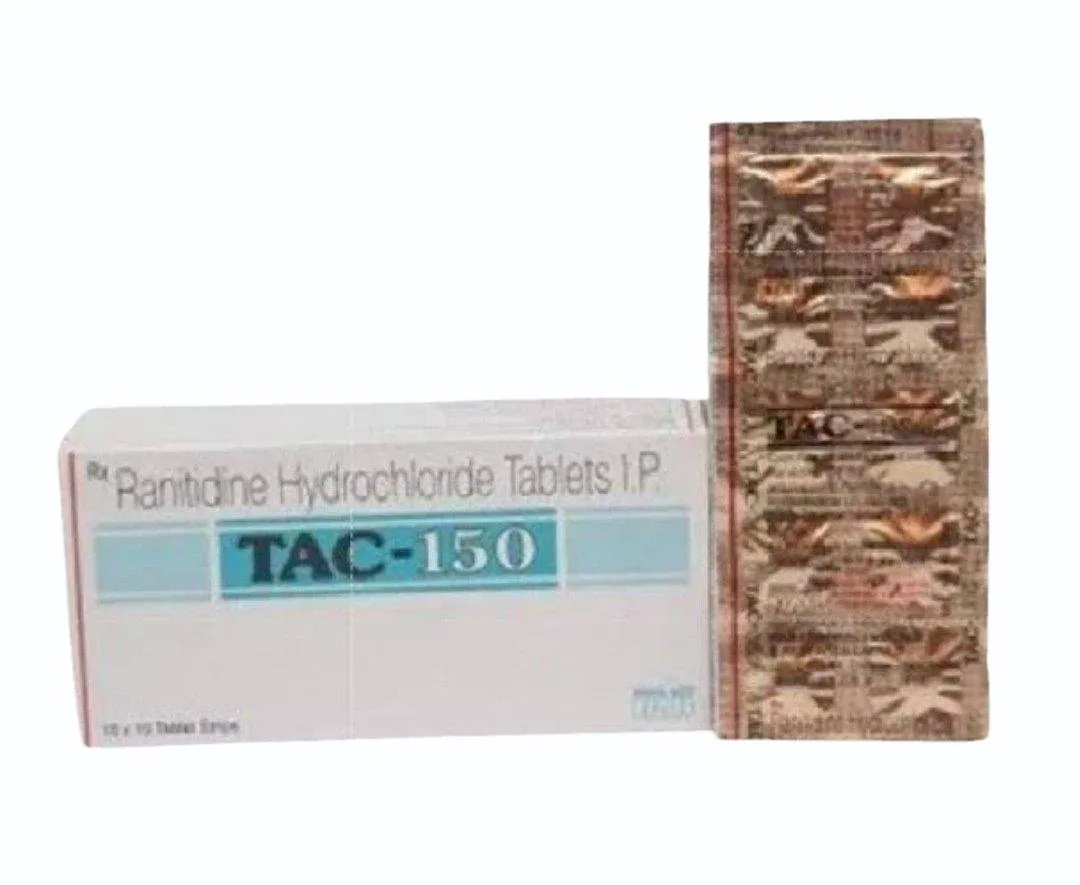
TAC 150 mg Tablet is a brand of ranitidine 150 mg, an H2-receptor antagonist that was historically used to reduce the production of stomach acid. It was used for acid-related gastrointestinal conditions such as heartburn, acid reflux, gastroesophageal reflux disease (GERD), and certain stomach or intestinal ulcers.
Phoenix Exim is a pharmaceutical exporter based in Nagpur, India, serving international markets including the USA, UK, Australia, Singapore, Canada, South Korea, and UAE, subject to applicable pharmaceutical import and regulatory requirements.
Important: Ranitidine products have been withdrawn or recalled in numerous markets because of concerns regarding NDMA, a probable human carcinogen. Patients should not use old TAC 150 mg stock or obtain it from unofficial sources.
2. Product Information
Product Name: TAC 150 mg Tablet
Active Ingredient: Ranitidine
Strength: 150 mg
Dosage Form: Tablet
Therapeutic Category: H2-receptor antagonist / gastrointestinal medicine
Historical Uses: Acid reflux, heartburn, GERD, peptic ulcers and other acid-related disorders
Typical Packaging Listed in India: 1 × 10 tablets or similar packaging, depending on manufacturer and market
Manufacturer listed for TAC: HAB Pharma in several Indian listings
Product composition and regulatory status should always be verified against the actual manufacturer's current documentation before procurement or export.
3. Uses of TAC 150 mg
Historically, ranitidine 150 mg was used for:
Heartburn and acid indigestion
Gastroesophageal reflux disease (GERD)
Acid reflux
Stomach and duodenal ulcers
Conditions involving excessive gastric acid production
Prevention of some acid-related gastrointestinal problems
Ranitidine reduces gastric acid secretion, which can help relieve acid-related irritation and allow damaged gastrointestinal tissues to heal.
4. Benefits of TAC 150 mg
When it was clinically used, TAC 150 mg provided benefits associated with reducing excessive stomach acid, including:
Reduction of heartburn and acid-related discomfort
Relief from symptoms associated with acid reflux
Reduction of acid exposure to the esophagus
Support for healing of certain acid-related ulcers
Reduction of gastric acid secretion
The suitability of treatment depends on the patient's condition and medical history. Because ranitidine has been withdrawn from many markets, currently recommended alternatives should be discussed with a qualified healthcare professional.
5. Side Effects of TAC 150 mg
Possible adverse effects historically associated with ranitidine included:
Headache
Dizziness
Diarrhea
Constipation
Abdominal discomfort
Nausea
Mild gastrointestinal disturbances
Rare or serious reactions may require immediate medical attention, particularly symptoms such as severe abdominal pain, unusual bleeding, jaundice, severe allergic reactions, or significant changes in mental status.
6. Common Side Effects
Some of the commonly reported side effects included:
Headache
Dizziness
Constipation
Diarrhea
Nausea
Mild stomach discomfort
If symptoms are persistent, severe, or unusual, medical advice should be obtained.
7. How to Use TAC 150 mg
Historically, ranitidine tablets were taken orally with water and could generally be taken with or without food. The exact dose and duration depended on the condition being treated and the patient's medical circumstances.
Do not start, restart, or determine a dose of TAC 150 mg yourself. Since ranitidine products have been withdrawn/recalled in many markets because of NDMA concerns, patients should speak with a doctor or pharmacist about a currently approved alternative rather than using old TAC 150 mg stock.
8. How TAC 150 mg Works
TAC 150 mg contains ranitidine, which historically worked by blocking histamine H2 receptors on acid-producing cells in the stomach.
Histamine normally stimulates these receptors to increase gastric acid secretion. By blocking H2 receptors, ranitidine reduced the amount of acid produced by the stomach. Lower acid levels helped relieve heartburn and reflux symptoms and supported healing of acid-related irritation and ulcers.
9. Safety Advice
Current regulatory status: Ranitidine has been withdrawn or recalled in many markets because of NDMA contamination concerns.
Do not use old or previously stored TAC 150 mg tablets.
Do not obtain ranitidine from unofficial sources.
Consult a healthcare professional for a currently approved acid-reducing medicine.
Inform your doctor about kidney or liver problems.
Tell your healthcare professional about all medicines and supplements you take.
Pregnant or breastfeeding individuals should consult a healthcare professional before taking any acid-reducing medication.
Seek medical attention for persistent or worsening digestive symptoms.
Keep medicines away from children and follow the storage instructions on the product packaging.
For international procurement, the importing country's regulatory requirements should be checked before any pharmaceutical shipment.
10. FAQs
Q1. What is TAC 150 mg Tablet?
TAC 150 mg Tablet is a ranitidine 150 mg product that was historically used to reduce stomach acid and manage conditions such as heartburn, acid reflux, GERD, and ulcers.
Q2. What is the active ingredient in TAC 150 mg?
The active ingredient is ranitidine 150 mg.
Q3. What was TAC 150 mg used for?
It was historically used for heartburn, acid reflux, GERD, stomach ulcers, and other conditions associated with excessive gastric acid.
Q4. How does TAC 150 mg work?
Ranitidine blocks H2 receptors in the stomach and thereby reduces gastric acid production.
Q5. Can TAC 150 mg be taken without medical advice?
It should not be self-started. In particular, patients should not use old ranitidine stock because of the NDMA-related withdrawal and recall concerns.
Q6. Is TAC 150 mg currently recommended?
Ranitidine has been withdrawn or recalled in many markets. A healthcare professional should recommend a currently approved alternative based on the patient's condition.
Q7. What are alternatives to ranitidine?
Depending on the condition, healthcare professionals may consider medicines such as famotidine or proton-pump inhibitors (PPIs). The appropriate alternative depends on the patient's diagnosis, other medicines, and medical history.
Q8. What should I do if I have old TAC 150 mg tablets?
Do not use old stock. Ask a pharmacist or healthcare professional about appropriate disposal and a currently approved alternative.
11. Substitute for TAC 150 mg
Because TAC 150 mg contains ranitidine and ranitidine has been withdrawn/recalled in many markets, substitution should be based on current local regulatory approval and medical advice.
Potential therapeutic alternatives may include:
Famotidine – an H2-receptor antagonist
Omeprazole – a proton-pump inhibitor
Pantoprazole – a proton-pump inhibitor
Esomeprazole – a proton-pump inhibitor
The correct substitute, strength, and treatment duration must be selected by a qualified healthcare professional rather than based solely on the 150 mg strength of TAC.
12. SEO Keywords
TAC 150 mg Tablet
TAC 150 mg Ranitidine Tablet
Ranitidine 150 mg Tablet
TAC 150 mg medicine
Ranitidine tablet information
TAC 150 mg composition
TAC 150 mg uses
TAC 150 mg side effects
TAC 150 mg substitute
Ranitidine 150 mg uses
Ranitidine acid reflux medicine
Ranitidine GERD medicine
TAC 150 mg heartburn medicine
TAC 150 mg pharmaceutical product
TAC 150 mg India
TAC 150 mg Nagpur India
pharmaceutical exporter from Nagpur India
medicine exporter from India
pharmaceutical supplier India
Indian pharmaceutical exporter
pharmaceutical export from India
TAC 150 mg international pharmaceutical information
gastrointestinal medicine exporter India
acid reflux medicine supplier India
ranitidine pharmaceutical information
TAC 150 mg product information
TAC 150 mg tablet composition and uses
ranitidine H2 receptor antagonist
stomach acid medicine information
GERD medicine information
heartburn treatment information
Keywords