1. General Information
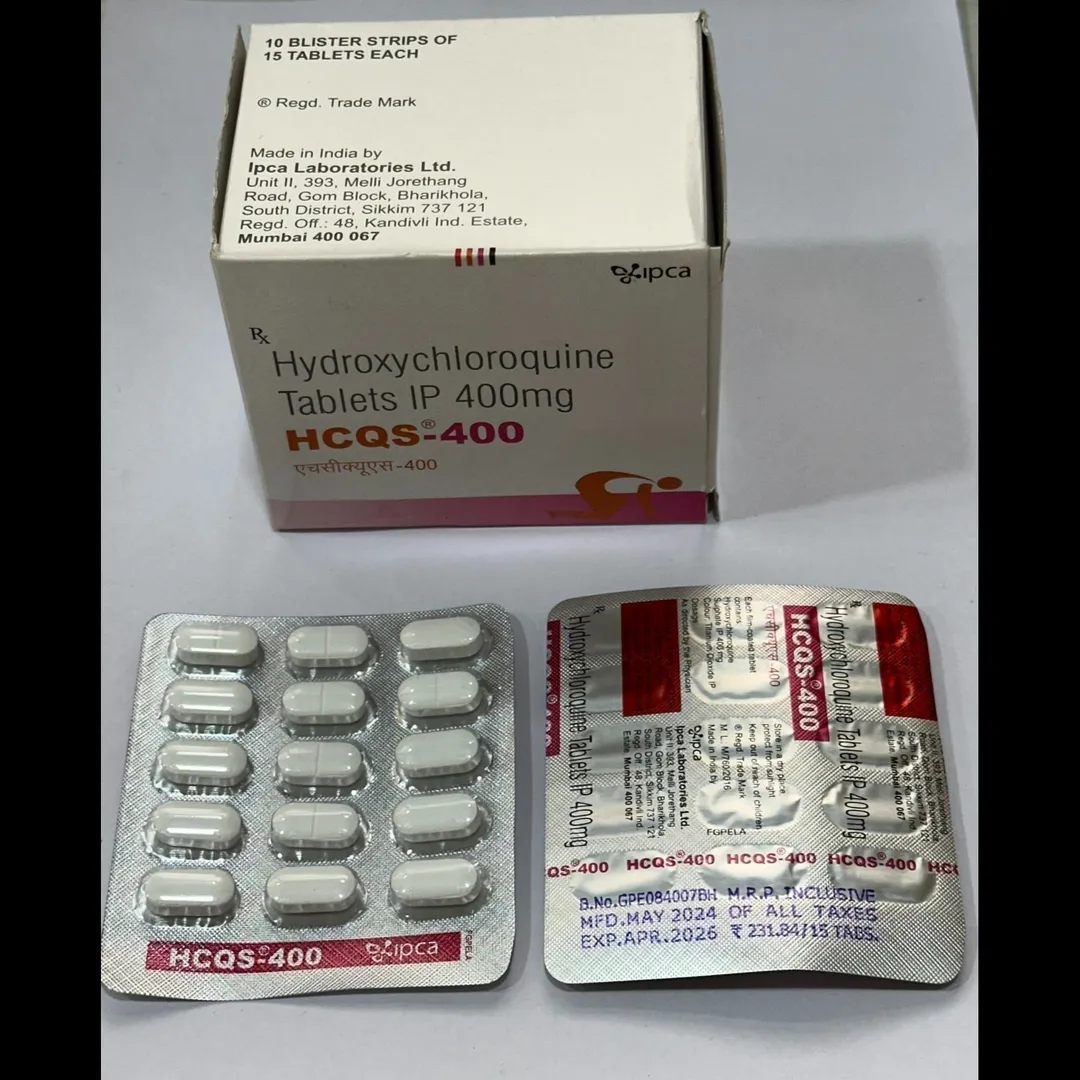
HCQS 400 mg Tablets contain hydroxychloroquine sulfate, an antimalarial and antirheumatic medicine. Hydroxychloroquine is used under medical supervision for certain forms of malaria and autoimmune disorders such as rheumatoid arthritis and systemic or chronic discoid lupus erythematosus.
Phoenix Exim, based in Nagpur, India, supplies pharmaceutical products for international markets including the USA, UK, Australia, Singapore, Canada, South Korea, and UAE, subject to applicable import regulations, prescription requirements, and destination-country laws.
2. Product Information
Product: HCQS 400 mg Tablets
Active ingredient: Hydroxychloroquine sulfate
Strength: 400 mg
Dosage form: Oral tablet
Therapeutic category: Antimalarial / antirheumatic
Route of administration: Oral
Prescription status: Prescription medicine in many markets
The appropriate strength and treatment schedule depend on the medical condition, patient characteristics, kidney function, and the prescribing clinician's assessment.
3. Uses of HCQS 400 mg Tablets
Hydroxychloroquine sulfate may be prescribed for:
Treatment of certain uncomplicated forms of malaria.
Prevention of malaria in geographical areas where chloroquine resistance is not reported.
Rheumatoid arthritis.
Systemic lupus erythematosus (SLE).
Chronic discoid lupus erythematosus.
It is not appropriate for every type of malaria, particularly complicated malaria or infections involving chloroquine-resistant strains.
Important: Hydroxychloroquine should not be used for self-treatment or prevention of COVID-19. The FDA found it was not shown to be safe and effective for COVID-19 and warned about potentially serious heart-rhythm problems.
4. Benefits of This Medicine
When appropriately prescribed, hydroxychloroquine may provide the following therapeutic benefits:
Helps treat susceptible uncomplicated malaria.
Can be used for malaria prophylaxis in appropriate regions.
Helps control symptoms and disease activity in rheumatoid arthritis.
Can help manage systemic lupus erythematosus.
Can help manage chronic discoid lupus erythematosus.
The benefits depend on the underlying condition and individual patient response. It should be used only according to a healthcare professional's instructions.
5. Side Effects of HCQS 400 mg
Like other medicines, hydroxychloroquine can cause side effects. Some are mild, while others require prompt medical attention.
Potential adverse effects include:
Nausea and vomiting
Diarrhea
Abdominal discomfort or pain
Headache
Skin rash or itching
Dizziness
Changes in vision
Low blood sugar
Muscle weakness
Hearing-related problems
Rare but serious reactions can include retinal toxicity, cardiomyopathy, QT prolongation and serious abnormal heart rhythms, severe skin reactions, blood disorders, and neurological or psychiatric reactions.
6. Common Side Effects
Some of the more commonly reported gastrointestinal side effects include:
Nausea
Vomiting
Diarrhea
Abdominal pain or discomfort
Headache
Itching or skin-related symptoms
Taking hydroxychloroquine with food or milk may help reduce some stomach-related effects.
Seek urgent medical attention for symptoms such as fainting, fast or irregular heartbeat, significant vision changes, severe skin blistering, or other serious reactions.
7. How to Use HCQS 400 mg Tablets
Take HCQS 400 mg exactly as prescribed by your doctor.
Swallow the tablet with water.
Follow the prescribed dose and schedule.
Taking it with food or milk may help reduce stomach upset.
Do not crush the tablet unless specifically instructed by your healthcare professional.
Do not take extra tablets if you miss a dose without first following your prescriber's instructions.
Do not stop long-term treatment without discussing it with your doctor.
The dose differs substantially depending on whether the medicine is being used for malaria or an autoimmune condition, so the 400 mg strength should not be treated as a universal dosing recommendation.
8. How HCQS 400 mg Works
Hydroxychloroquine belongs to the 4-aminoquinoline class of medicines.
For malaria, it interferes with processes used by susceptible malaria parasites, helping eliminate the infection.
For autoimmune diseases such as lupus and rheumatoid arthritis, hydroxychloroquine modifies certain immune-system processes and can reduce inflammatory activity.
The exact therapeutic mechanisms in autoimmune diseases are complex and involve effects on intracellular signaling and immune-cell activity.
9. Safety Advice for HCQS 400 mg
Eye health: Long-term hydroxychloroquine therapy can cause potentially irreversible retinal damage. A baseline eye examination is recommended within the first year, with monitoring determined by individual risk factors. People of Asian ancestry may require a different visual-field assessment because retinal toxicity can initially occur outside the central macula.
Heart conditions: Hydroxychloroquine can prolong the QT interval and has been associated with serious arrhythmias and cardiomyopathy. Tell your doctor about heart disease, previous rhythm problems, or medicines that may affect cardiac rhythm.
Kidney or liver problems: Inform your doctor if you have kidney or liver disease because these conditions can affect treatment and safety considerations.
Blood sugar: Hydroxychloroquine can cause hypoglycemia. People taking diabetes medicines may require additional monitoring.
G6PD deficiency: Tell your healthcare professional if you have known glucose-6-phosphate dehydrogenase (G6PD) deficiency because hemolysis has been reported.
Drug interactions: Tell your doctor about all prescription medicines, OTC medicines, vitamins, and supplements. Particular attention is needed with medicines that can prolong the QT interval. Antacids can also interfere with absorption and are generally separated from hydroxychloroquine by several hours.
Pregnancy and breastfeeding: Discuss pregnancy, planned pregnancy, or breastfeeding with your healthcare professional before using the medicine.
Storage: Keep the medicine in its original packaging, away from excessive heat and moisture, and out of reach of children.
10. Frequently Asked Questions (FAQs)
Q1. What is HCQS 400 mg?
HCQS 400 mg contains hydroxychloroquine sulfate and is used for specific malaria and autoimmune conditions.
Q2. Is HCQS 400 mg an antibiotic?
No. It is an antimalarial and antirheumatic medicine.
Q3. Can HCQS 400 mg be used for malaria?
Yes, hydroxychloroquine can be used for certain susceptible uncomplicated malaria infections. It is not suitable for every malaria infection or for areas with relevant chloroquine resistance.
Q4. Is HCQS 400 mg used for lupus?
Hydroxychloroquine is an established treatment option for systemic lupus erythematosus and chronic discoid lupus erythematosus when prescribed by a healthcare professional.
Q5. Does HCQS 400 mg require an eye examination?
Long-term treatment requires attention to retinal safety. A baseline eye examination is recommended within the first year, with the frequency of subsequent monitoring based on risk factors and treatment duration.
Q6. Can I take HCQS 400 mg without a prescription?
No. It should be taken only when prescribed and monitored by an appropriately qualified healthcare professional.
Q7. Can HCQS 400 mg prevent COVID-19?
It should not be used for COVID-19 prevention or self-treatment. Hydroxychloroquine has not been shown to be safe and effective for this purpose.
Q8. What should I do if I experience vision changes?
Contact your healthcare professional promptly. New blurred vision, flashes, visual-field changes, or other significant visual symptoms require medical assessment.
Q9. Can HCQS 400 mg affect the heart?
Yes. Hydroxychloroquine can affect cardiac rhythm and, rarely, cause serious cardiotoxicity. Patients with relevant heart conditions or those taking QT-prolonging medicines require particular caution.
Q10. Can I stop HCQS suddenly?
Do not change or discontinue prescribed treatment without discussing it with your healthcare professional.
11. Substitute for HCQS 400 mg
Possible alternatives depend entirely on the condition being treated, patient factors, and local treatment guidelines.
For hydroxychloroquine therapy, a healthcare professional may consider another hydroxychloroquine-containing product with an equivalent prescribed dose or, depending on the indication, a different antimalarial or disease-modifying medicine.
Examples of related medicines can include chloroquine for selected malaria indications or other disease-modifying antirheumatic medicines for autoimmune diseases. These are not automatically interchangeable with HCQS 400 mg.
Patients should not substitute medicines based solely on the same therapeutic category or strength. A doctor or pharmacist should select an appropriate alternative.
12. Keywords
HCQS 400 mg Tablets
HCQS 400 mg exporter
HCQS 400 mg supplier from India
Hydroxychloroquine 400 mg Tablets
Hydroxychloroquine sulfate 400 mg
Hydroxychloroquine tablets exporter
Hydroxychloroquine medicine supplier India
HCQS tablets pharmaceutical exporter
HCQS 400 mg wholesale supplier
HCQS 400 mg international supplier
Hydroxychloroquine sulfate exporter India
Hydroxychloroquine medicine exporter Nagpur
HCQS 400 mg pharmaceutical supplier
HCQS 400 mg tablets manufacturer supplier
Hydroxychloroquine tablets wholesale
Antimalarial medicine exporter India
Antirheumatic medicine exporter India
Hydroxychloroquine for rheumatoid arthritis
Hydroxychloroquine for lupus
Hydroxychloroquine malaria medicine
Prescription medicine exporter India
Pharma exporter from Nagpur India
Pharmaceutical exporter to USA
Pharmaceutical exporter to UK
Pharmaceutical exporter to Australia
Pharmaceutical exporter to Singapore
Pharmaceutical exporter to Canada
Pharmaceutical exporter to South Korea
Pharmaceutical exporter to UAE
Indian pharmaceutical export supplier
International pharmaceutical supplier India
Keywords