1. General Information
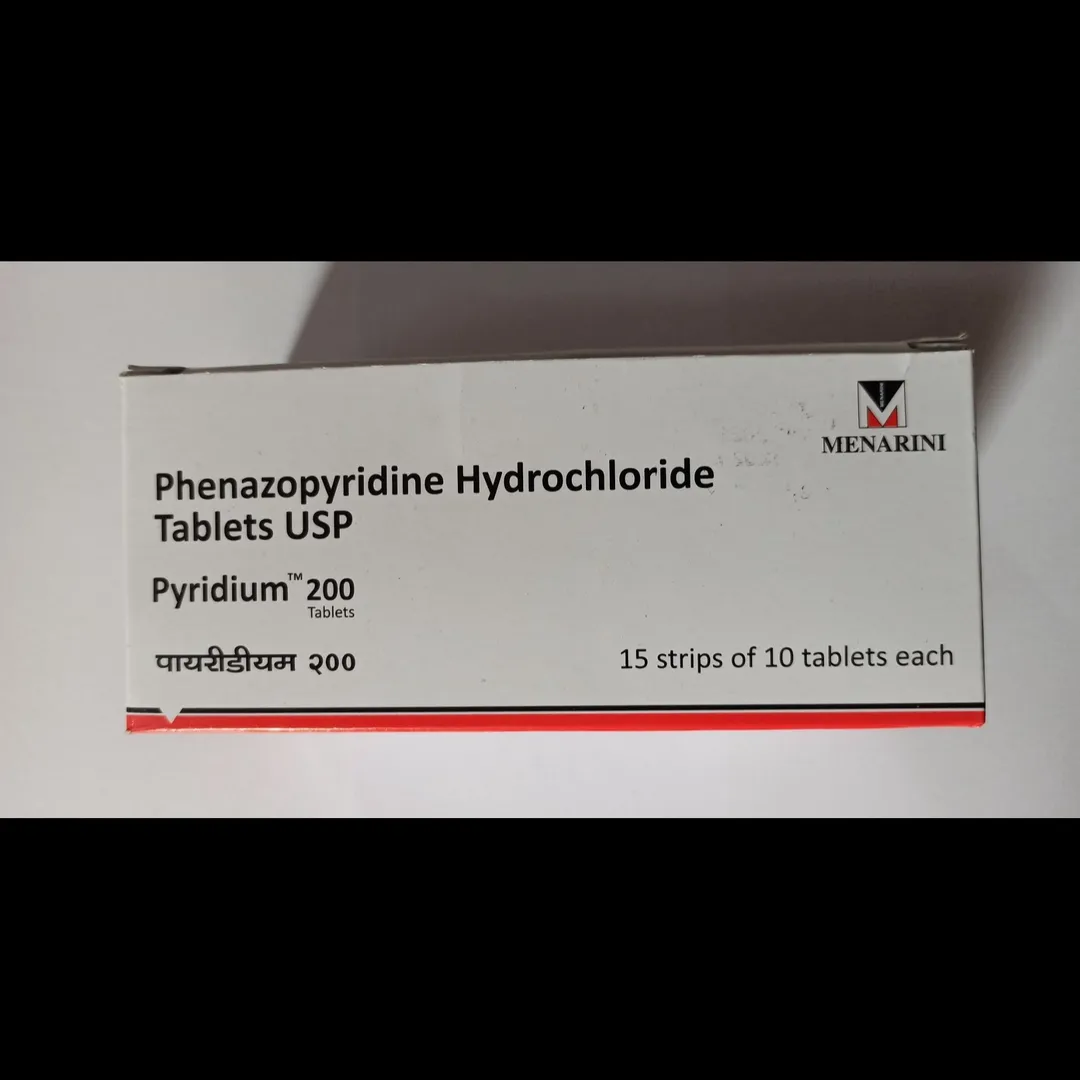
Pyridium 200 mg Tablets contain phenazopyridine hydrochloride 200 mg, a urinary tract analgesic used to relieve discomfort associated with irritation of the lower urinary tract. It can help reduce symptoms such as burning, pain, urinary urgency, and frequent urination.
Phenazopyridine provides symptomatic relief but does not treat the underlying bacterial infection. When a urinary tract infection (UTI) is present, appropriate diagnosis and antimicrobial treatment may still be required.
2. Product Information
Brand: Pyridium
Strength: 200 mg
Active ingredient: Phenazopyridine hydrochloride
Dosage form: Tablet
Therapeutic category: Urinary tract analgesic
Route: Oral
Primary purpose: Symptomatic relief of urinary tract pain, burning, urgency, and frequency
Phenazopyridine is rapidly eliminated through the kidneys and acts locally in the urinary tract.
3. Uses of Pyridium 200 mg
Pyridium may be used for temporary relief of:
Burning or painful urination
Urinary tract discomfort
Urinary urgency
Increased frequency of urination
Irritation of the lower urinary tract associated with infection
Urinary discomfort following certain procedures, trauma, or instrumentation
It should not be used as a substitute for diagnosis or treatment of the underlying cause of urinary symptoms.
4. Benefits of This Medicine
When appropriately used, phenazopyridine may provide:
Temporary relief from urinary burning
Reduction in urinary tract pain and discomfort
Relief from urgency and frequent urination associated with urinary tract irritation
Symptomatic comfort while the underlying condition is being evaluated or treated
A key benefit is its symptom-relieving action, but it does not eliminate bacteria or cure a UTI.
5. Side Effects of Pyridium 200 mg
Like all medicines, phenazopyridine may cause side effects. Possible effects include:
Headache
Dizziness
Stomach discomfort
Nausea or gastrointestinal upset
Rash or itching in some individuals
A very common and expected effect is reddish-orange or brown discoloration of urine. This is generally harmless but can stain clothing and other materials.
Seek medical attention if serious symptoms such as yellowing of the skin or eyes, unusual blue/blue-purple skin discoloration, shortness of breath, significant reduction in urine, swelling, fever, confusion, or severe allergic-type reactions occur.
6. Common Side Effects
The commonly reported effects include:
Reddish-orange urine
Headache
Dizziness
Upset stomach or gastrointestinal discomfort
The urine-color change is a characteristic effect of phenazopyridine and does not normally indicate blood in the urine.
7. How to Use Pyridium 200 mg
Take Pyridium exactly as directed by your doctor or pharmacist.
For the commonly used 200 mg tablet formulation, phenazopyridine is generally taken orally after meals, with water. The tablet should be swallowed rather than chewed or crushed.
When used alongside an antibacterial medicine for a UTI, official labeling states that phenazopyridine treatment should generally not exceed 2 days. If urinary symptoms continue, worsen, or return, medical evaluation is important.
Do not increase the dose or duration without medical advice.
8. How Pyridium Works
Phenazopyridine is a urinary tract analgesic. After oral administration, it is excreted into the urine, where it produces a local analgesic effect on the mucosa of the urinary tract.
This helps reduce sensations of pain, burning, urgency, and frequency. Its precise mechanism of action is not fully established.
9. Safety Advice for This Medicine
Pyridium is not an antibiotic and should not be relied upon to cure a bacterial UTI.
Do not use it to delay diagnosis or appropriate treatment of persistent urinary symptoms.
Tell your doctor if you have kidney disease or reduced kidney function. Phenazopyridine is contraindicated in renal insufficiency in product labeling.
Tell your healthcare provider if you have G6PD deficiency, because there may be an increased risk of hemolytic complications.
Inform your doctor if you are pregnant, planning pregnancy, or breastfeeding.
The medicine can turn urine and sometimes other body fluids orange-red and may stain clothing or contact lenses.
Phenazopyridine can interfere with some urine and laboratory tests, so tell healthcare professionals that you are taking it before testing.
If symptoms persist beyond the recommended short course or become worse, consult a healthcare professional.
10. Frequently Asked Questions (FAQs)
Q1. What is Pyridium 200 mg used for?
Pyridium 200 mg is used for temporary relief of urinary pain, burning, urgency, frequency, and discomfort caused by irritation of the lower urinary tract.
Q2. Is Pyridium an antibiotic?
No. Pyridium contains phenazopyridine, which relieves urinary symptoms but does not kill bacteria or cure a UTI.
Q3. Why does urine become orange after taking Pyridium?
Phenazopyridine naturally causes reddish-orange or orange urine. This is an expected effect and is generally harmless.
Q4. Can Pyridium cure a UTI?
No. It provides symptom relief only. A suspected bacterial UTI may require appropriate medical diagnosis and antimicrobial treatment.
Q5. How long can Pyridium be taken for a UTI?
Official labeling recommends limiting phenazopyridine treatment for UTI symptoms to 2 days when used with an antibacterial agent. Persistent symptoms require medical evaluation.
Q6. Can Pyridium be used with antibiotics?
Phenazopyridine can be used alongside appropriate antimicrobial therapy for symptomatic relief, when directed by a healthcare professional.
Q7. Can people with kidney problems take Pyridium?
Phenazopyridine is contraindicated in renal insufficiency according to product labeling. Anyone with kidney disease should consult a healthcare professional before use.
Q8. Does Pyridium affect urine tests?
Yes. Phenazopyridine can interfere with certain urine and laboratory tests, so healthcare professionals should be informed that you are taking it.
11. Substitute for Pyridium 200 mg
The most direct substitute is another medicine containing phenazopyridine hydrochloride 200 mg, provided it is appropriate and legally available in the relevant market.
Depending on the country, equivalent products may be sold under different brand names. Substitution should be based on the same active ingredient, strength, dosage form, and medical suitability, preferably after consultation with a pharmacist or healthcare professional.
Do not substitute Pyridium with an antibiotic simply because both may be used during treatment of urinary symptoms—their purposes are different.
12. SEO Keywords
Primary keywords:
Pyridium 200 mg Tablets
Pyridium 200mg Tablets
Phenazopyridine 200 mg Tablets
Phenazopyridine Hydrochloride 200 mg
Pyridium tablets exporter
Phenazopyridine tablets supplier
Pyridium 200 mg pharmaceutical exporter
Phenazopyridine medicine exporter from India
Pyridium 200 mg supplier from India
Urinary pain relief tablets
Long-tail B2B/SEO keywords:
Pyridium 200 mg Tablets exporter from India
Phenazopyridine 200 mg Tablets supplier from India
Pyridium 200 mg pharmaceutical supplier India
Phenazopyridine Hydrochloride 200 mg tablets exporter
Pyridium 200 mg medicine exporter from Nagpur India
Buy Pyridium 200 mg Tablets from India
Pyridium 200 mg international pharmaceutical supplier
Phenazopyridine 200 mg tablets wholesale supplier
Pyridium 200 mg Tablets export supplier India
Genuine Phenazopyridine 200 mg pharmaceutical products
Pyridium 200 mg Tablets exporter to USA
Pyridium 200 mg Tablets exporter to UK
Pyridium 200 mg Tablets exporter to Australia
Pyridium 200 mg Tablets exporter to Canada
Pyridium 200 mg Tablets exporter to Singapore
Pyridium 200 mg Tablets exporter to South Korea
Pyridium 200 mg Tablets exporter to UAE
Phenazopyridine 200 mg supplier for international markets
Indian pharmaceutical exporter for urinary care medicines
Phoenix Exim Pyridium 200 mg pharmaceutical supplier
Keywords