1. General Information
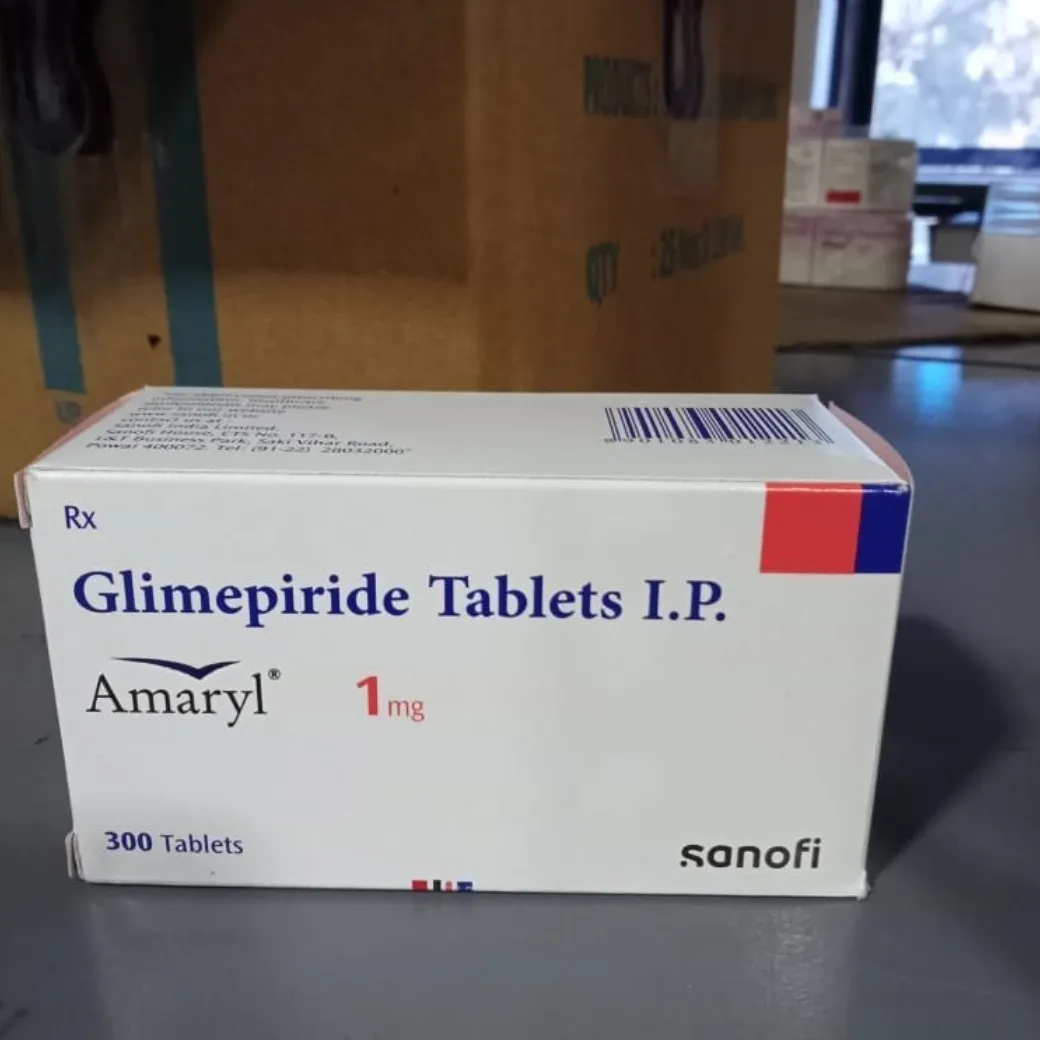
Amaryl 1 mg Tablets contain glimepiride 1 mg, an oral antidiabetic medicine belonging to the sulfonylurea class. It is prescribed for adults with type 2 diabetes mellitus when diet, exercise, and other measures alone are not sufficient to achieve appropriate blood-glucose control.
Phoenix Exim, based in Nagpur, India, supplies pharmaceutical products for international markets, including the USA, UK, Australia, Singapore, Canada, South Korea, and UAE, subject to applicable import, prescription, and regulatory requirements.
2. Product Information
- Product: Amaryl 1 mg Tablets
- Active ingredient: Glimepiride
- Strength: 1 mg
- Dosage form: Oral tablet
- Medicine class: Sulfonylurea antidiabetic
- Primary indication: Type 2 diabetes mellitus
- Administration: Oral
- Typical starting dose: 1–2 mg once daily, as prescribed
- Maximum recommended dose: 8 mg once daily according to U.S. prescribing information.
3. Uses of Amaryl 1 mg
Amaryl 1 mg is used as an adjunct to diet and exercise for improving glycemic control in adults with type 2 diabetes mellitus. It is not indicated for treating type 1 diabetes or diabetic ketoacidosis.
4. Benefits of This Medicine
When appropriately prescribed, glimepiride may:
- Help lower elevated blood-glucose levels.
- Improve glycemic control in adults with type 2 diabetes.
- Be used alongside dietary management and regular physical activity.
- Be used alone or as part of a broader diabetes-treatment plan when clinically appropriate.
The medicine works by increasing insulin release from functioning pancreatic beta cells, helping the body regulate blood glucose.
5. Side Effects of Amaryl 1 mg
The most important adverse effect associated with glimepiride is hypoglycemia (low blood sugar). The risk can be influenced by factors such as food intake, physical activity, kidney function, age, and use of other glucose-lowering medicines.
Other possible adverse effects can include:
- Headache
- Dizziness
- Nausea
- Gastrointestinal discomfort
- Weight gain
- Allergic or hypersensitivity reactions
Seek prompt medical attention for severe or persistent symptoms, particularly signs of significant low blood sugar or a serious allergic reaction.
6. Common Side Effects
Possible commonly reported effects include:
- Low blood sugar
- Headache
- Dizziness
- Nausea or stomach discomfort
- Weight gain
Because hypoglycemia can become serious, patients taking glimepiride should know the symptoms of low blood glucose, such as sweating, shakiness, hunger, dizziness, confusion, weakness, or a rapid heartbeat.
7. How to Use Amaryl 1 mg
Take Amaryl exactly as directed by your doctor or pharmacist.
The U.S. prescribing information recommends administration with breakfast or the first main meal of the day. The usual starting dose is 1 mg or 2 mg once daily, with dose adjustments based on blood-glucose response. Dose increases should generally occur no more frequently than every 1–2 weeks.
Do not change the dose, stop treatment, or take extra tablets without medical advice.
8. How Amaryl Works
Amaryl contains glimepiride, which belongs to the sulfonylurea class. It primarily works by stimulating pancreatic beta cells to release insulin. Increased insulin availability helps move glucose from the bloodstream into tissues, thereby lowering blood-glucose levels.
Because this mechanism can increase insulin activity, hypoglycemia is an important safety consideration.
9. Safety Advice
- Use only under the supervision of a qualified healthcare professional.
- Monitor blood glucose as recommended.
- Take the medicine with the recommended meal schedule.
- Do not skip meals while taking glimepiride unless your healthcare professional gives you specific instructions.
- Tell your doctor if you have kidney or liver problems.
- Older adults may require additional caution because hypoglycemia can be harder to recognize and kidney impairment is more common.
- Inform your healthcare professional about all medicines and supplements you take because interactions can affect blood-glucose control.
- Do not use Amaryl for type 1 diabetes or diabetic ketoacidosis.
- If symptoms of severe hypoglycemia occur, seek urgent medical assistance.
10. Frequently Asked Questions
Q1. What is Amaryl 1 mg used for?
Amaryl 1 mg is used with diet and exercise to improve blood-glucose control in adults with type 2 diabetes.
Q2. What is the active ingredient in Amaryl 1 mg?
The active ingredient is glimepiride 1 mg.
Q3. Is Amaryl used for type 1 diabetes?
No. Amaryl is not indicated for type 1 diabetes or diabetic ketoacidosis.
Q4. When should Amaryl be taken?
It is generally taken with breakfast or the first main meal of the day, according to the prescribing information.
Q5. Can Amaryl cause low blood sugar?
Yes. Hypoglycemia is an important potential adverse effect of glimepiride.
Q6. Can the Amaryl dose be increased?
A healthcare professional may adjust the dose according to blood-glucose response. The U.S. prescribing information recommends gradual titration rather than frequent dose changes.
Q7. Can Amaryl be taken with other diabetes medicines?
It may be used as part of combination diabetes treatment in appropriate patients, but the combination should be determined by a healthcare professional because the risk of hypoglycemia can change.
Q8. Who should be especially careful with glimepiride?
People who are older or have impaired kidney function may require particularly cautious dosing and monitoring.
11. Substitute for Amaryl 1 mg
Possible alternatives containing glimepiride 1 mg or other antidiabetic medicines may be available, but the appropriate substitute depends on the patient's diabetes status, kidney/liver function, other medicines, and treatment goals.
Examples of medicines that may be considered by a healthcare professional include:
- Glimepiride 1 mg tablets from another manufacturer
- Other sulfonylureas
- Metformin
- DPP-4 inhibitors
- SGLT2 inhibitors
- GLP-1 receptor agonists
- Insulin
Do not substitute or switch diabetes medicines without medical advice. The dose and safety profile are not necessarily equivalent between different medicines.
12. SEO Keywords
Primary keywords:
- Amaryl 1 mg Tablets
- Amaryl 1 mg
- Amaryl tablets
- Glimepiride 1 mg tablets
- Glimepiride tablets exporter
- Amaryl 1 mg exporter from India
- Amaryl 1 mg supplier India
- Glimepiride medicine exporter India
- Amaryl pharmaceutical exporter
- Amaryl 1 mg tablets supplier
Long-tail B2B/SEO keywords:
- Amaryl 1 mg tablets exporter from Nagpur India
- Amaryl 1 mg tablets pharmaceutical supplier India
- Glimepiride 1 mg tablets exporter from India
- Amaryl 1 mg tablets wholesale pharmaceutical supplier
- Amaryl 1 mg tablets international pharma exporter
- Amaryl 1 mg tablets supplier for international markets
- Glimepiride 1 mg medicine supplier from India
- Amaryl 1 mg tablets export supplier India
- Amaryl 1 mg tablets exporter to USA
- Amaryl 1 mg tablets exporter to UK
- Amaryl 1 mg tablets exporter to Australia
- Amaryl 1 mg tablets exporter to Singapore
- Amaryl 1 mg tablets exporter to Canada
- Amaryl 1 mg tablets exporter to South Korea
- Amaryl 1 mg tablets exporter to UAE
- Indian pharmaceutical exporter for diabetes medicines
- type 2 diabetes medicine exporter from India
- glimepiride tablets wholesale supplier India
- diabetes medicine pharmaceutical export company India
- Amaryl 1 mg international pharmaceutical supply
Keywords