1. General Information
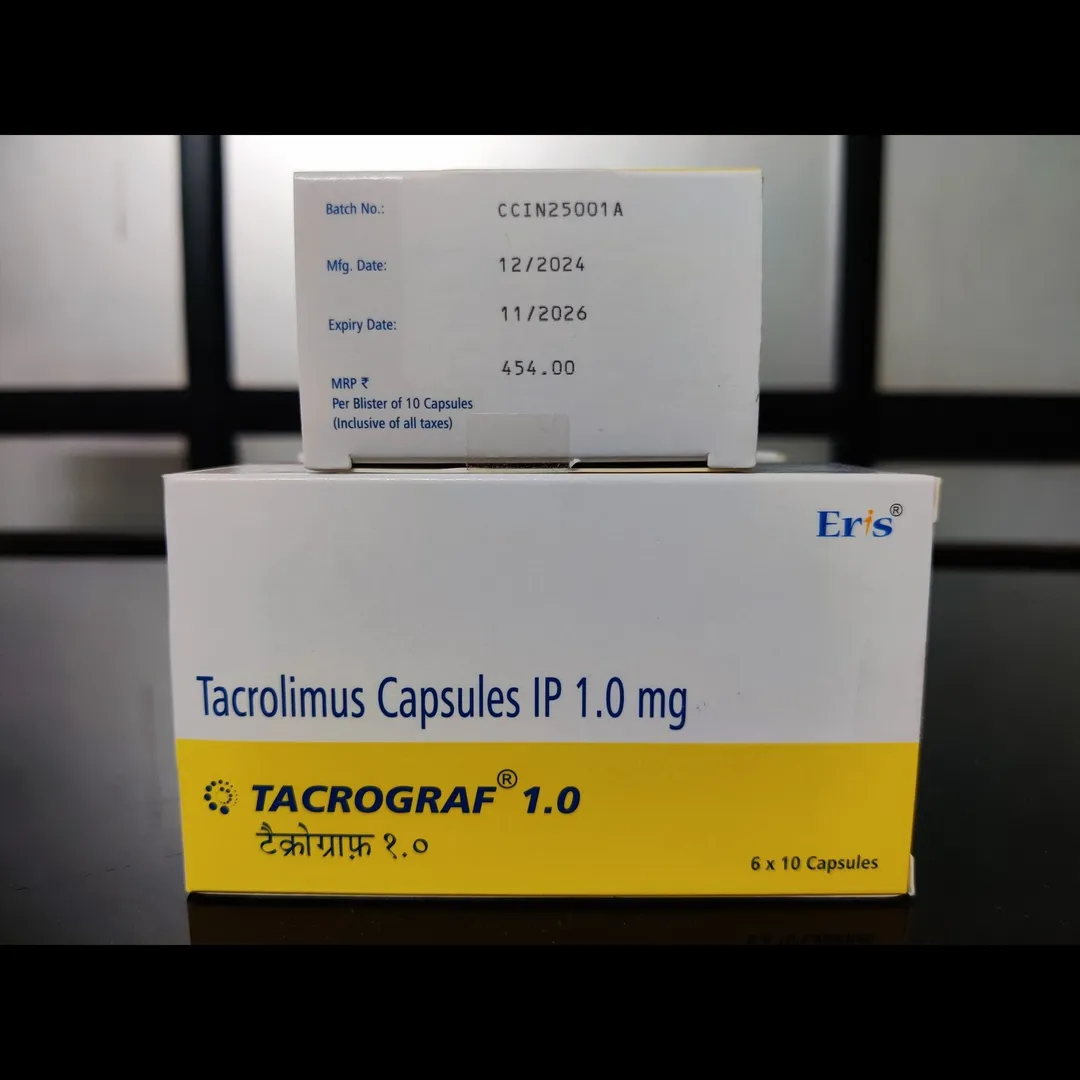
Tacrograf 1 mg is an oral capsule containing Tacrolimus 1 mg. Tacrolimus belongs to the calcineurin-inhibitor class of immunosuppressants. It reduces certain immune responses that can cause the body to attack a transplanted organ.
Because tacrolimus has a narrow therapeutic range and can cause significant drug interactions, treatment generally requires regular medical monitoring, including blood-level and kidney-function monitoring.
2. Product Information
- Brand: Tacrograf 1 mg
- Dosage form: Capsule
- Active ingredient: Tacrolimus
- Strength: 1 mg
- Therapeutic class: Immunosuppressant
- Route: Oral
- Primary indication: Prevention of organ transplant rejection
- Prescription status: Prescription medicine
- Storage: Follow the manufacturer's package instructions; the cited Indian product information recommends storage below 25°C.
3. Uses of Tacrograf 1 mg
Tacrograf 1 mg is primarily used, together with other immunosuppressive medicines, to help prevent rejection following certain organ transplants.
Tacrolimus oral capsules are approved for prevention of rejection in kidney, liver, and heart transplant recipients in combination with other immunosuppressants.
The exact treatment regimen depends on the type of transplant, the patient's clinical condition, other medicines being taken, and tacrolimus blood concentrations.
4. Benefits of Tacrograf 1 mg
The principal benefit is helping reduce the immune system's attack against a transplanted organ.
Tacrolimus suppresses specific immune-cell activity, helping the body tolerate the transplanted organ and reducing the likelihood of organ rejection.
Important: The benefit depends on taking the medicine exactly as prescribed. Stopping tacrolimus suddenly can increase the risk of transplant rejection.
5. Side Effects of Tacrograf 1 mg
Tacrograf can cause side effects because it suppresses the immune system and affects several physiological processes.
Potential adverse effects include:
- Kidney problems
- Increased blood pressure
- Tremor
- Headache
- Diarrhea
- Nausea
- Insomnia
- Increased blood glucose
- Increased susceptibility to infections
- Changes in blood electrolyte levels
- Neurological symptoms
Tacrolimus also carries important warnings concerning serious infections and malignancies associated with immunosuppressive therapy.
6. Common Side Effects
Some commonly reported effects include:
- Tremors or shakiness
- Headache
- Diarrhea
- Nausea
- Constipation
- Insomnia
- High blood pressure
- Increased blood sugar
- Increased risk of infections
- Changes in kidney function
If symptoms are persistent, severe, or unusual, the patient should contact their doctor promptly.
7. How to Use Tacrograf 1 mg
Take Tacrograf exactly according to the prescription provided by the transplant specialist.
- Swallow the capsule whole with water.
- Do not crush, chew, or alter the capsule.
- Take it consistently according to your prescribed schedule.
- It may be taken with or without food, but consistency regarding food intake is important.
- Do not change the dose yourself.
- Do not stop treatment without medical advice.
- Regular blood tests may be required to monitor tacrolimus levels and kidney function.
The correct dose is individualized and should not be determined from general online information.
8. How Tacrograf 1 mg Works
Tacrograf contains tacrolimus, which inhibits calcineurin, an important pathway involved in activation of T lymphocytes.
By reducing T-cell-mediated immune activity, tacrolimus decreases the immune response against the transplanted organ. This immunosuppressive action helps reduce the risk of organ rejection.
9. Safety Advice for Tacrograf 1 mg
Tacrograf requires careful medical supervision.
Infections: Because tacrolimus suppresses immune function, patients can become more susceptible to infections. Seek medical attention for persistent fever, unusual illness, or other signs of infection.
Kidney function: Tacrolimus can affect kidney function, so regular renal monitoring is important.
Blood pressure and blood sugar: Blood pressure and glucose may require regular monitoring.
Drug interactions: Many medicines can alter tacrolimus concentrations. Always tell your doctor and pharmacist about prescription medicines, over-the-counter products, supplements, and herbal products you use.
Vaccinations: Inform your healthcare professional before receiving vaccinations.
Sun exposure: Long-term immunosuppressive therapy can increase the risk of certain skin cancers, so appropriate protection from excessive UV exposure is advisable.
Pregnancy and breastfeeding: Discuss pregnancy, planned pregnancy, or breastfeeding with your doctor before using tacrolimus.
Alcohol: Ask your healthcare professional about alcohol consumption because of the potential for adverse effects and interactions.
10. Frequently Asked Questions (FAQs)
Q1. What is Tacrograf 1 mg used for?
Tacrograf 1 mg is primarily used to help prevent rejection of transplanted organs such as the kidney, liver, or heart.
Q2. What is the active ingredient in Tacrograf 1 mg?
It contains Tacrolimus 1 mg.
Q3. Is Tacrograf a prescription medicine?
Yes. Tacrolimus requires medical supervision and therapeutic monitoring.
Q4. Can I stop Tacrograf when I feel better?
No. Do not stop tacrolimus without instructions from your transplant specialist because stopping immunosuppressive therapy can increase the risk of organ rejection.
Q5. Does Tacrograf require blood tests?
Yes. Tacrolimus treatment commonly requires therapeutic drug monitoring along with clinical and laboratory monitoring.
Q6. Can Tacrograf affect the kidneys?
Yes. Tacrolimus can affect kidney function, which is why renal function is monitored during treatment.
Q7. Can Tacrograf increase infection risk?
Yes. Its immunosuppressive action can increase susceptibility to infections.
Q8. Can Tacrograf be taken with other medicines?
It may be prescribed with other medicines, but many drugs can interact with tacrolimus. All concomitant medicines should be reviewed by a healthcare professional.
11. Substitutes for Tacrograf 1 mg
Products containing the same active ingredient and strength may be considered alternatives, but substitution should be made only after confirmation by the treating doctor or pharmacist because tacrolimus products can have clinically important differences in exposure.
Examples of products listed as alternatives for Tacrograf 1 mg include:
- Pangraf 1 mg Capsule
- Tacroren 1 mg Capsule
- Vingraf 1 mg Capsule
- Takfa 1 mg Capsule
- Tacloran 1 mg Capsule
These should not be switched interchangeably without medical guidance and appropriate tacrolimus-level monitoring.
12. Keywords
- Tacrograf 1 mg Capsules
- Tacrograf 1 mg exporter from India
- Tacrograf 1 mg medicine exporter
- Tacrograf 1 mg capsules supplier India
- Tacrolimus 1 mg capsules exporter
- Tacrolimus capsules supplier from India
- Tacrograf 1 mg pharmaceutical exporter
- Tacrograf 1 mg capsules wholesale supplier
- Tacrograf 1 mg export from Nagpur India
- Tacrograf 1 mg capsules for transplant patients
- Tacrolimus 1 mg transplant medicine
- Tacrograf 1 mg capsules international supplier
- Tacrograf 1 mg exporter to USA
- Tacrograf 1 mg exporter to UK
- Tacrograf 1 mg exporter to Australia
- Tacrograf 1 mg exporter to Singapore
- Tacrograf 1 mg exporter to Canada
- Tacrograf 1 mg exporter to South Korea
- Tacrograf 1 mg exporter to UAE
- Tacrolimus 1 mg pharmaceutical supplier India
- Genuine Tacrograf 1 mg capsules supplier
- Tacrograf 1 mg prescription medicine exporter
- Tacrolimus transplant medicine supplier
- Tacrograf 1 mg bulk pharmaceutical supplier
- Phoenix Exim Tacrograf 1 mg exporter
- Phoenix Exim pharmaceutical exporter Nagpur India
Keywords