1. General Information
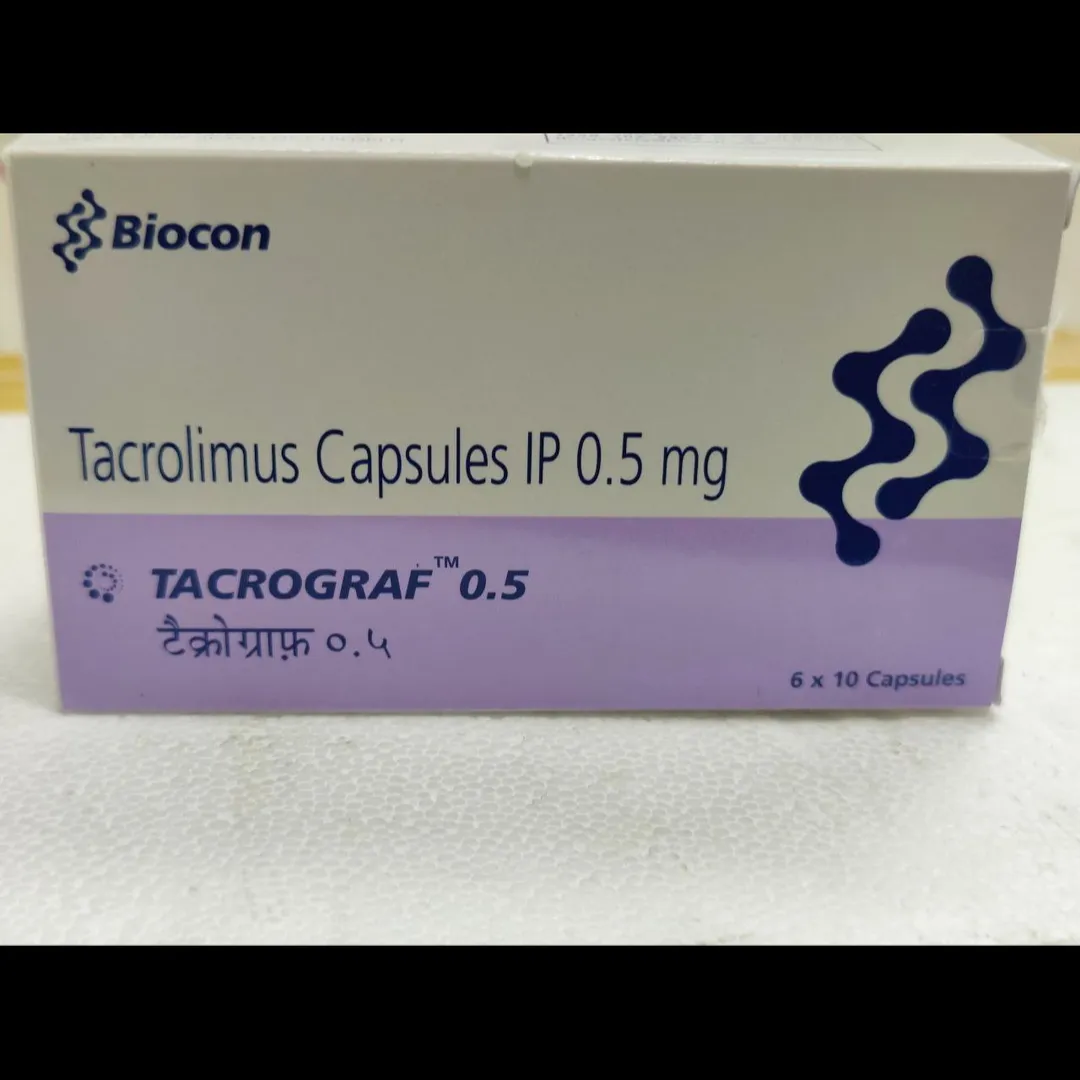
Tacrograf 0.5 mg Capsule contains tacrolimus 0.5 mg, an immunosuppressant medicine used primarily after organ transplantation. It helps reduce the body's immune response so that the immune system does not attack and reject a transplanted organ. Tacrolimus is a calcineurin-inhibitor immunosuppressant and is generally used under specialist medical supervision.
Tacrograf 0.5 mg is a prescription medicine and requires appropriate medical monitoring because tacrolimus has a narrow therapeutic range and can cause significant drug interactions and adverse effects.
Phoenix Exim, based in Nagpur, India, can describe this product for pharmaceutical export markets including the USA, UK, Australia, Singapore, Canada, South Korea and UAE, subject to applicable import, prescription and regulatory requirements in the destination country.
2. Product Information
- Brand: Tacrograf
- Strength: 0.5 mg
- Active Ingredient: Tacrolimus
- Dosage Form: Capsule
- Therapeutic Class: Immunosuppressant
- Route: Oral
- Primary use: Prevention of organ rejection following transplantation
- Storage: Store below 25°C and protect the medicine according to the manufacturer's storage instructions.
- Prescription status: Prescription medicine
Tacrograf 0.5 mg is listed as tacrolimus 0.5 mg, and TACROGRAF 0.5 mg is also registered as a medicine in Australia.
3. Uses of Tacrograf 0.5 mg
Tacrograf 0.5 mg is mainly used with other immunosuppressive medicines to help prevent rejection of transplanted organs. Tacrolimus capsules are indicated for prevention of rejection following kidney, liver or heart transplantation, depending on the patient's clinical situation and approved product labeling.
The exact indication and treatment regimen should always be determined by the transplant specialist.
4. Benefits of Tacrograf 0.5 mg
The principal benefit of tacrolimus is its ability to suppress excessive immune activity after transplantation. By reducing immune-cell activation, it helps the body accept the transplanted organ and lowers the risk of organ rejection.
Key therapeutic benefits include:
- Helps prevent rejection of a transplanted organ.
- Supports maintenance of the transplanted organ.
- Suppresses unwanted immune-system activity.
- Can be used as part of a combination immunosuppressive regimen.
- Available in a low 0.5 mg strength, which may be useful when physicians need to make individualized dose adjustments.
Tacrolimus treatment requires therapeutic drug monitoring and individualized dosing.
5. Side Effects of Tacrograf 0.5 mg
Tacrolimus can cause side effects because it deliberately suppresses immune function and can affect several organs and body systems.
Important potential adverse effects include:
- Kidney problems or increased creatinine
- High blood pressure
- Tremor
- Headache
- High blood glucose or diabetes
- Electrolyte abnormalities
- Increased susceptibility to infections
- Gastrointestinal disturbances
- Sleep disturbances
- Neurological effects
Tacrolimus also carries important warnings concerning serious infections and malignancies, including lymphoma and certain skin cancers, because of its immunosuppressive action.
6. Common Side Effects
Some commonly reported effects associated with tacrolimus treatment may include:
- Tremors or shaking
- Headache
- Diarrhea
- Nausea
- Increased blood pressure
- Increased blood glucose
- Kidney-function changes
- Difficulty sleeping
- Abdominal discomfort
The occurrence and severity of side effects vary between patients. Any severe, persistent or unusual symptoms should be reported promptly to the treating physician.
7. How to Use Tacrograf 0.5 mg
Take Tacrograf exactly as prescribed by your transplant specialist.
- Swallow the capsule whole with water.
- Do not crush, chew or open the capsule unless specifically instructed.
- Take it at the same times each day.
- Take it consistently either with food or without food; changing between the two can alter tacrolimus exposure.
- Do not change the dose yourself.
- Do not stop treatment suddenly without medical advice.
- Regular blood tests are important to monitor tacrolimus levels and kidney function.
- If a dose is missed, follow your transplant team's instructions rather than taking an extra dose.
The dosage depends on factors such as the transplanted organ, body weight, other medicines and tacrolimus blood concentrations.
8. How Tacrograf 0.5 mg Works
Tacrolimus works by inhibiting calcineurin, an enzyme involved in activation of T-lymphocytes. T-cells play an important role in the immune response responsible for attacking foreign tissue.
By suppressing T-cell activation, tacrolimus reduces the immune system's attack against the transplanted organ. This immunosuppressive action helps reduce the likelihood of transplant rejection.
9. Safety Advice
Important: Tacrograf should only be used under appropriate medical supervision.
- Infections: Because tacrolimus suppresses immunity, patients may have an increased risk of serious bacterial, viral, fungal and other infections.
- Cancer risk: Long-term immunosuppression is associated with an increased risk of certain malignancies, including lymphoma and skin cancers.
- Kidney function: Tacrolimus can affect kidney function, so regular monitoring is important.
- Blood pressure: Blood pressure should be monitored during treatment.
- Blood sugar: Glucose levels may need monitoring because tacrolimus can contribute to hyperglycemia or diabetes.
- Drug interactions: Tell your doctor about every prescription medicine, OTC medicine, supplement and herbal product you use. Tacrolimus has numerous clinically important interactions.
- Food consistency: Take the medicine consistently with or without food as instructed.
- Pregnancy: Patients who are pregnant, planning pregnancy or breastfeeding should discuss tacrolimus treatment with their healthcare professional.
- Sun exposure: Because immunosuppression can increase certain skin-cancer risks, appropriate sun protection and regular skin checks may be advised.
- Monitoring: Tacrolimus blood concentrations and laboratory tests are commonly monitored to maintain an appropriate therapeutic level.
10. Frequently Asked Questions (FAQs)
Q1. What is Tacrograf 0.5 mg used for?
Tacrograf 0.5 mg is used as an immunosuppressant to help prevent rejection of transplanted organs, including kidney, liver and heart transplants, according to the applicable prescribing information.
Q2. What is the active ingredient in Tacrograf 0.5 mg?
The active ingredient is tacrolimus 0.5 mg.
Q3. Is Tacrograf 0.5 mg a prescription medicine?
Yes. Tacrolimus capsules require prescription and specialist medical supervision.
Q4. Can I stop Tacrograf when I feel better?
No. Transplant patients should not stop or change tacrolimus treatment without their transplant specialist's instructions because inadequate immunosuppression can increase the risk of organ rejection.
Q5. Does Tacrograf require blood tests?
Yes. Therapeutic drug monitoring is recommended, along with appropriate laboratory monitoring, because tacrolimus dosing must be individualized.
Q6. Can Tacrograf interact with other medicines?
Yes. Tacrolimus has many potential drug interactions. Always tell your healthcare provider about all medicines and supplements you take.
Q7. Can Tacrograf be taken with food?
It can be taken with or without food, but it should be taken consistently in the same manner because food can affect tacrolimus absorption.
Q8. What should I do if I miss a dose?
Follow the specific instructions provided by your transplant team. Do not take an extra dose unless your healthcare professional tells you to do so.
11. Substitutes for Tacrograf 0.5 mg
Because tacrolimus is a narrow-therapeutic-index medicine, substitution between products or formulations should be done only with appropriate medical supervision and monitoring.
Potential tacrolimus 0.5 mg alternatives/brands may include products such as:
- Prograf 0.5 mg
- Grafnos 0.5 mg
- Vidatacro 0.5 mg
- Other approved tacrolimus 0.5 mg capsules
These products should not be considered automatically interchangeable without advice from the transplant physician or pharmacist. Apollo Pharmacy, for example, lists Prograf, Grafnos and Vidatacro among tacrolimus alternatives.
12. SEO Keywords
- Tacrograf 0.5 mg Capsules exporter from India
- Tacrograf 0.5 mg Capsules supplier in India
- Tacrograf 0.5 mg Tacrolimus Capsules exporter
- Tacrograf 0.5 mg medicine exporter from Nagpur India
- Tacrolimus 0.5 mg Capsules exporter India
- Tacrolimus 0.5 mg wholesale supplier India
- Tacrolimus Capsules pharmaceutical exporter
- Tacrograf 0.5 mg Capsules for transplant patients
- Tacrolimus 0.5 mg medicine supplier
- Genuine Tacrograf 0.5 mg Capsules exporter
- Tacrograf 0.5 mg pharmaceutical supplier
- Tacrolimus 0.5 mg export supplier from India
- Tacrograf 0.5 mg Capsules supplier USA
- Tacrograf 0.5 mg Capsules supplier UK
- Tacrograf 0.5 mg Capsules supplier Australia
- Tacrograf 0.5 mg Capsules supplier Singapore
- Tacrograf 0.5 mg Capsules supplier Canada
- Tacrograf 0.5 mg Capsules supplier South Korea
- Tacrograf 0.5 mg Capsules supplier UAE
- Tacrolimus 0.5 mg transplant medicine exporter
- Tacrolimus immunosuppressant medicine exporter India
- Tacrograf 0.5 mg organ transplant medicine supplier
- Tacrograf 0.5 mg prescription medicine exporter
- Tacrolimus 0.5 mg pharmaceutical export company
- Phoenix Exim Tacrograf 0.5 mg exporter Nagpur
- Phoenix Exim Tacrolimus medicine supplier India
- Tacrograf 0.5 mg international pharmaceutical supplier
- Tacrograf 0.5 mg wholesale medicine exporter
- Tacrolimus capsules export from India to USA UK Australia
- Tacrolimus 0.5 mg supplier for international pharmaceutical markets
Keywords