1. General Information
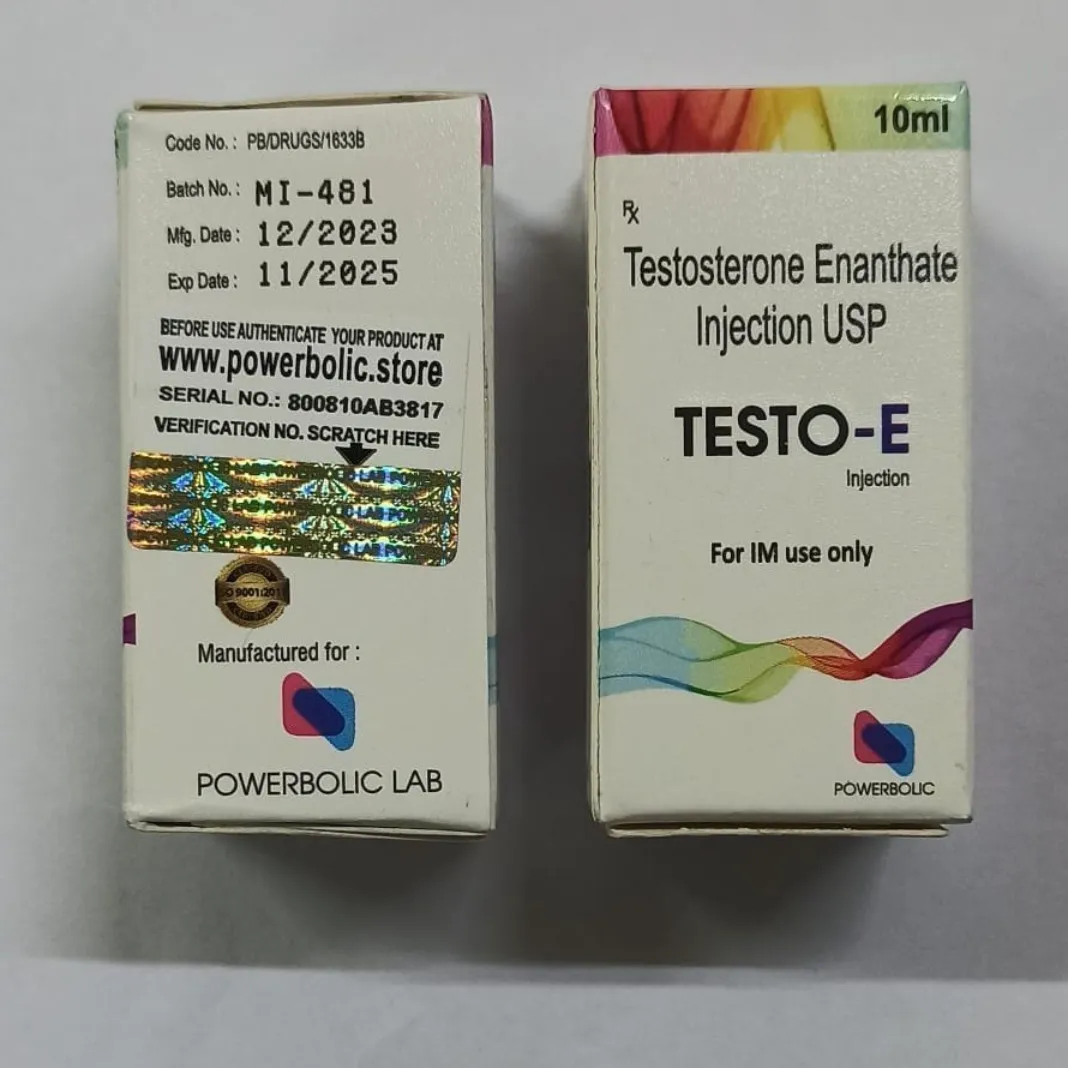
Testo E 250 mg Injection generally refers to an injectable preparation containing testosterone enanthate, a long-acting ester of testosterone.
Testosterone is an androgen hormone involved in the development and maintenance of male reproductive tissues, bone mass, muscle mass, and other physiological functions.
Testosterone therapy is used medically only for appropriately diagnosed conditions involving testosterone deficiency and should be prescribed and monitored by a qualified healthcare professional.
2. Product Information
Product: Testo E 250 mg Injection
Active ingredient: Testosterone enanthate
Strength: 250 mg — verify whether this refers to 250 mg/mL on the manufacturer's label
Dosage form: Injectable preparation
Therapeutic category: Androgen / Testosterone replacement therapy
Route: Intramuscular administration, where specifically authorized
Medical status: Prescription-controlled in many countries
The exact formulation, concentration, excipients, manufacturer, and approved indications should always be confirmed from the official product packaging and regulatory documentation.
3. Uses
Medically prescribed testosterone enanthate may be used for testosterone replacement in males with confirmed hypogonadism, when treatment is clinically appropriate.
Treatment decisions generally involve clinical symptoms together with laboratory assessment of testosterone levels.
It should not be used simply to enhance athletic performance, bodybuilding results, or physical appearance.
4. Medical Benefits
When prescribed for an appropriate medical indication and monitored by a healthcare professional, testosterone replacement may help restore testosterone levels toward the physiological range.
Potential therapeutic effects can include improvement in:
Symptoms associated with testosterone deficiency
Sexual function or libido in appropriately diagnosed patients
Maintenance of muscle mass and strength
Bone health
Certain aspects of energy and well-being
The response varies considerably between individuals, and testosterone therapy is not appropriate for everyone.
5. Side Effects
Testosterone therapy can produce adverse effects. Possible reactions include:
Acne or oily skin
Fluid retention
Changes in mood
Increased red blood cell count
Changes in cholesterol levels
Reduced sperm production
Breast enlargement or tenderness
Changes in prostate-related symptoms
Injection-site reactions
More serious cardiovascular, hematological, prostate-related, or other complications may occur in susceptible individuals.
6. Common Side Effects
Depending on the patient and treatment regimen, commonly reported effects can include:
Acne • Oily Skin • Injection-Site Discomfort • Fluid Retention • Mood Changes • Increased Hematocrit • Reduced Sperm Production
Regular medical monitoring is important during testosterone therapy.
7. How to Use
Testosterone enanthate is a prescription injectable medicine and should be administered only according to the prescribing healthcare professional's instructions.
The appropriate dose, treatment interval, injection technique, and duration depend on the patient's diagnosis, laboratory results, formulation, and clinical response.
Do not self-administer, change the dose, or increase injection frequency without medical supervision.
8. How Does It Work?
Testosterone enanthate is converted in the body to testosterone, which binds to androgen receptors in various tissues.
Testosterone influences numerous physiological processes, including:
Development and maintenance of male reproductive tissues
Muscle and bone metabolism
Red blood cell production
Sexual function
Secondary male sex characteristics
Testosterone therapy aims to replace or supplement testosterone when endogenous production is insufficient and treatment is medically indicated.
9. Safety Advice
Medical Supervision
Use only under the supervision of a qualified healthcare professional.
Blood Monitoring
Treatment may require monitoring of testosterone levels, hematocrit/hemoglobin and other relevant laboratory parameters.
Prostate Monitoring
Healthcare professionals may evaluate prostate-related risks and symptoms where appropriate.
Cardiovascular Risk
Discuss any history of cardiovascular disease, high blood pressure, clotting problems, or other relevant conditions with your healthcare professional.
Fertility
Exogenous testosterone can suppress sperm production and may impair fertility.
Pregnancy
Testosterone should not be used by pregnant individuals. Exposure during pregnancy can potentially harm a developing fetus.
Children
Testosterone therapy requires specialist supervision in children and adolescents because of effects on growth and sexual development.
Drug Interactions
Tell your healthcare professional about all medicines and supplements you use, particularly anticoagulants, corticosteroids, diabetes medicines, and other hormone products.
Storage
Store according to the manufacturer's instructions and keep out of reach of children.
10. Frequently Asked Questions
Q1. What is Testo E 250 mg Injection?
It generally refers to an injectable testosterone enanthate preparation. The exact concentration and formulation should be confirmed from the product label.
Q2. What is testosterone enanthate used for?
It may be prescribed as testosterone replacement for appropriately diagnosed testosterone deficiency.
Q3. Is Testo E a prescription medicine?
Testosterone products are prescription-controlled or otherwise regulated in many countries.
Q4. Can testosterone improve muscle mass?
Testosterone has anabolic effects, but medically prescribed testosterone should be used for an appropriate medical indication rather than non-medical performance enhancement.
Q5. Can testosterone affect fertility?
Yes. Exogenous testosterone can suppress the body's own testosterone production and sperm production.
Q6. Does testosterone require blood tests?
Medical monitoring commonly includes testosterone measurements and may include hematocrit/hemoglobin and other assessments depending on the patient.
Q7. Can testosterone be used during pregnancy?
No. Testosterone is contraindicated during pregnancy because androgen exposure can harm fetal development.
Q8. Can testosterone be used without a confirmed deficiency?
Testosterone therapy should be initiated only after appropriate medical assessment and confirmation of an indication.
Q9. Is Testo E 250 mg Injection available internationally?
The legal status, registration, prescription classification, import requirements, and permitted uses vary substantially between countries. Any international supply must comply with the applicable regulations of both the exporting and importing jurisdictions.
11. Substitutes / Alternatives
There is no universal substitute because the appropriate testosterone product depends on the patient's diagnosis and treatment requirements.
Medically available testosterone-replacement options can include:
Testosterone enanthate
Testosterone cypionate
Testosterone undecanoate
Testosterone gels
Testosterone patches
Other locally approved testosterone formulations
These products differ in pharmacokinetics, dosage forms, dosing schedules, availability, and regulatory status.
A healthcare professional should determine whether an alternative is appropriate.
12. SEO / Informational Keywords
For a compliant educational or product-information page, suitable keywords include:
Testo E 250 mg Injection
Testosterone Enanthate 250 mg
Testosterone Enanthate Injection
Testosterone Replacement Therapy
Testosterone Enanthate medical information
Testosterone therapy information
Testosterone injection product information
Testosterone enanthate formulation
Testosterone replacement medicine
Androgen therapy information
Testosterone deficiency treatment
Testosterone enanthate safety
Testosterone injection side effects
Testosterone enanthate precautions
Testosterone therapy monitoring
Testosterone enanthate pharmacology
Testosterone prescription medicine
Testosterone replacement options
Testosterone enanthate manufacturer information
Testosterone pharmaceutical information
Keywords