1. General Information
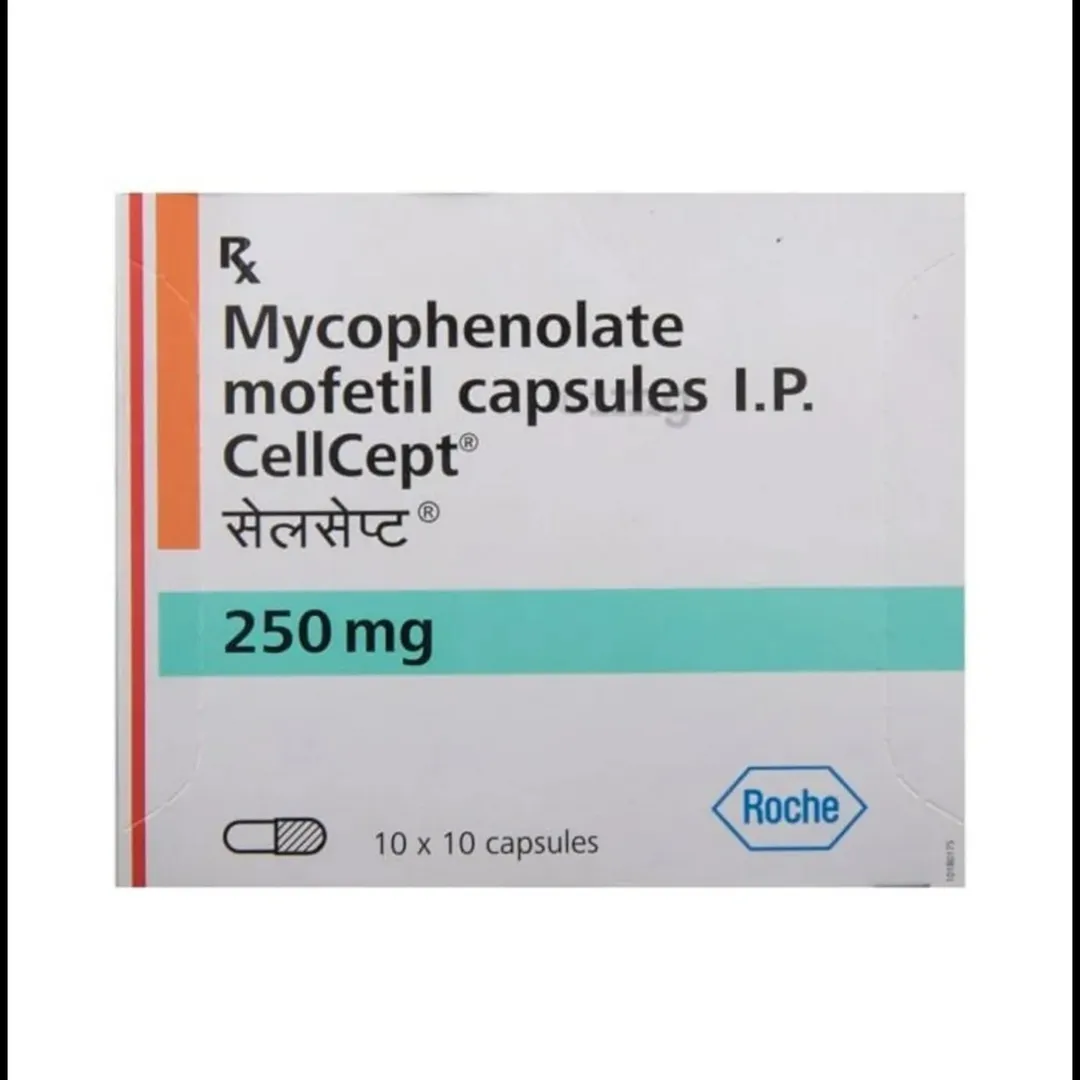
CellCept 250 mg is an oral prescription medicine containing mycophenolate mofetil 250 mg. It belongs to the immunosuppressant class of medicines. It reduces certain immune-system responses that can attack a transplanted organ.
Because it suppresses the immune system, CellCept requires medical supervision, regular follow-up, and appropriate laboratory monitoring.
2. Product Information
- Brand: CellCept
- Strength: 250 mg
- Active ingredient: Mycophenolate mofetil
- Dosage form: Capsule/tablet formulations are available; the FDA label specifies 250 mg capsules and 500 mg tablets for CellCept.
- Drug class: Immunosuppressant / antimetabolite
- Route: Oral
- Primary use: Prevention of organ rejection following kidney, heart, or liver transplantation
- Prescription status: Prescription medicine
Important: Product presentation, packaging, registration status, and availability can vary by country.
3. Uses of CellCept 250 mg
CellCept is primarily used in combination with other immunosuppressive medicines to help prevent the body's immune system from rejecting a transplanted:
- Kidney
- Heart
- Liver
The medicine works by reducing immune activity directed against the transplanted organ.
Mycophenolate may also be prescribed for certain other conditions by specialists, but such uses may be off-label and should only be undertaken under appropriate medical supervision.
4. Benefits of This Medicine
When prescribed appropriately, CellCept may:
- Help reduce the risk of organ rejection after transplantation.
- Suppress immune activity responsible for attacking a transplanted organ.
- Provide an established immunosuppressive option as part of combination therapy.
- Be available in an oral formulation for continued treatment following transplantation.
The benefits and appropriate dose depend on the patient's transplant type, medical history, other medicines, and laboratory results.
5. Side Effects of CellCept 250 mg
Because CellCept suppresses the immune system, it can cause side effects ranging from mild digestive symptoms to potentially serious infections and blood abnormalities.
Important potential risks include:
- Serious infections
- Reduced white blood cell counts
- Reduced red blood cell counts
- Gastrointestinal complications
- Increased risk of lymphoma and certain other malignancies
- Increased risk of skin cancer
- Serious fetal harm if used during pregnancy
- Hypersensitivity reactions
Seek medical attention promptly for symptoms such as severe infection, unusual bleeding or bruising, severe abdominal pain, persistent diarrhea, difficulty breathing, or other serious/unusual symptoms.
6. Common Side Effects
Commonly reported adverse effects include:
- Diarrhea
- Nausea
- Vomiting
- Headache
- Abdominal or digestive discomfort
- Constipation
- Tremor
- Back, muscle, or joint pain
- Swelling of the hands, feet, ankles, or lower legs
- Changes in blood-cell counts
- Infections
The FDA prescribing information identifies diarrhea, leukopenia, infection, and vomiting among the most common adverse reactions in clinical trials.
7. How to Use CellCept 250 mg
CellCept should be taken exactly as prescribed by the transplant specialist or physician.
General administration guidance includes:
- Take it at approximately the same times each day.
- It is commonly administered twice daily, but the exact dose depends on the transplant and individual patient.
- CellCept is generally taken on an empty stomach unless the doctor gives different instructions.
- Swallow capsules/tablets whole; do not crush, chew, or open them.
- Do not stop treatment suddenly without consulting the transplant team.
- If a dose is missed, follow the instructions provided by your doctor or pharmacist rather than taking an extra dose.
The FDA-listed adult doses for CellCept are substantially higher than 250 mg per dose in transplant indications, so CellCept 250 mg capsules may be used as part of an individualized dosing regimen. Patients should not determine their own dose.
8. How CellCept Works
Mycophenolate mofetil is converted in the body to mycophenolic acid (MPA). MPA inhibits an enzyme involved in the production of guanine nucleotides needed by certain immune cells.
As a result, it limits the growth and multiplication of T and B lymphocytes, reducing the immune response that could attack a transplanted organ.
In simple terms, CellCept lowers specific immune-system activity to help protect the transplanted organ from rejection.
9. Safety Advice for CellCept 250 mg
Pregnancy: CellCept can cause miscarriage and serious birth defects. Women who can become pregnant require appropriate pregnancy-prevention measures and medical monitoring.
Infections: CellCept increases susceptibility to serious bacterial, viral, fungal, and other infections. Report signs such as fever, chills, cough, sore throat, or unusual weakness promptly.
Cancer risk: Long-term immunosuppression can increase the risk of lymphoma and certain skin cancers. Appropriate sun protection and medical monitoring are recommended.
Blood tests: Regular laboratory tests may be required to monitor blood-cell counts and treatment response.
Vaccinations: Do not receive vaccines, particularly live vaccines, without discussing them with your doctor.
Drug interactions: Tell your doctor about all prescription medicines, OTC medicines, vitamins, and supplements. Some antacids, proton-pump inhibitors, phosphate binders, and other medicines can affect mycophenolate exposure.
Do not discontinue treatment: Stopping immunosuppressive treatment without medical advice can increase the risk of transplant rejection.
10. Frequently Asked Questions (FAQs)
Q1. What is CellCept 250 mg used for?
CellCept contains mycophenolate mofetil and is primarily used with other immunosuppressants to prevent rejection of kidney, heart, or liver transplants.
Q2. What is the active ingredient in CellCept 250 mg?
The active ingredient is mycophenolate mofetil 250 mg.
Q3. Is CellCept an immunosuppressant?
Yes. It suppresses specific immune-system activity.
Q4. Can I stop CellCept when I feel better?
No. Transplant recipients should not stop CellCept unless instructed by their transplant specialist.
Q5. Does CellCept affect the immune system?
Yes. It reduces immune activity and therefore can increase susceptibility to infections.
Q6. Does CellCept require regular monitoring?
Yes. Doctors commonly monitor blood counts and other relevant laboratory parameters during treatment.
Q7. Can CellCept be taken during pregnancy?
Mycophenolate carries a serious risk of miscarriage and birth defects and requires strict pregnancy precautions. Discuss pregnancy planning with the treating specialist.
Q8. Can CellCept be substituted with another mycophenolate product?
Not automatically. Different mycophenolate formulations can have different absorption characteristics and are not necessarily interchangeable.
11. Substitute for CellCept 250 mg
Potential alternatives or related products include medicines containing mycophenolate mofetil or mycophenolic acid, such as:
- Generic mycophenolate mofetil
- Myfortic (mycophenolic acid delayed-release formulation)
- Other locally approved mycophenolate products
However, these products should not be substituted on a tablet-for-tablet basis without medical advice because formulations can differ in absorption and dosing.
The appropriate substitute depends on the patient's transplant type, formulation, dose, other medicines, and the regulations of the destination country.
12. SEO / B2B Keywords
- CellCept 250 mg tablets exporter from India
- CellCept 250 mg supplier India
- CellCept 250 mg pharmaceutical exporter
- CellCept 250 mg medicine exporter from Nagpur
- Mycophenolate mofetil 250 mg exporter India
- Mycophenolate mofetil 250 mg supplier
- Mycophenolate mofetil tablets exporter India
- Mycophenolate mofetil capsules supplier India
- CellCept 250 mg wholesale supplier
- CellCept 250 mg international supplier
- CellCept 250 mg for transplant patients
- Mycophenolate mofetil transplant medicine supplier
- Immunosuppressant medicine exporter India
- Organ transplant medicines supplier India
- Kidney transplant medicine supplier India
- Liver transplant medicine supplier India
- Heart transplant medicine supplier India
- CellCept 250 mg exporter to USA
- CellCept 250 mg exporter to UK
- CellCept 250 mg exporter to Australia
- CellCept 250 mg exporter to Singapore
- CellCept 250 mg exporter to Canada
- CellCept 250 mg exporter to South Korea
- CellCept 250 mg exporter to UAE
- Mycophenolate mofetil exporter to USA
- Mycophenolate mofetil exporter to UK
- Mycophenolate mofetil exporter to Australia
- Mycophenolate mofetil exporter to Canada
- Mycophenolate mofetil exporter to UAE
- Trusted pharmaceutical exporter from India
- Phoenix Exim pharmaceutical exporter Nagpur
- CellCept 250 mg international pharmaceutical supply
Keywords