1. General Information
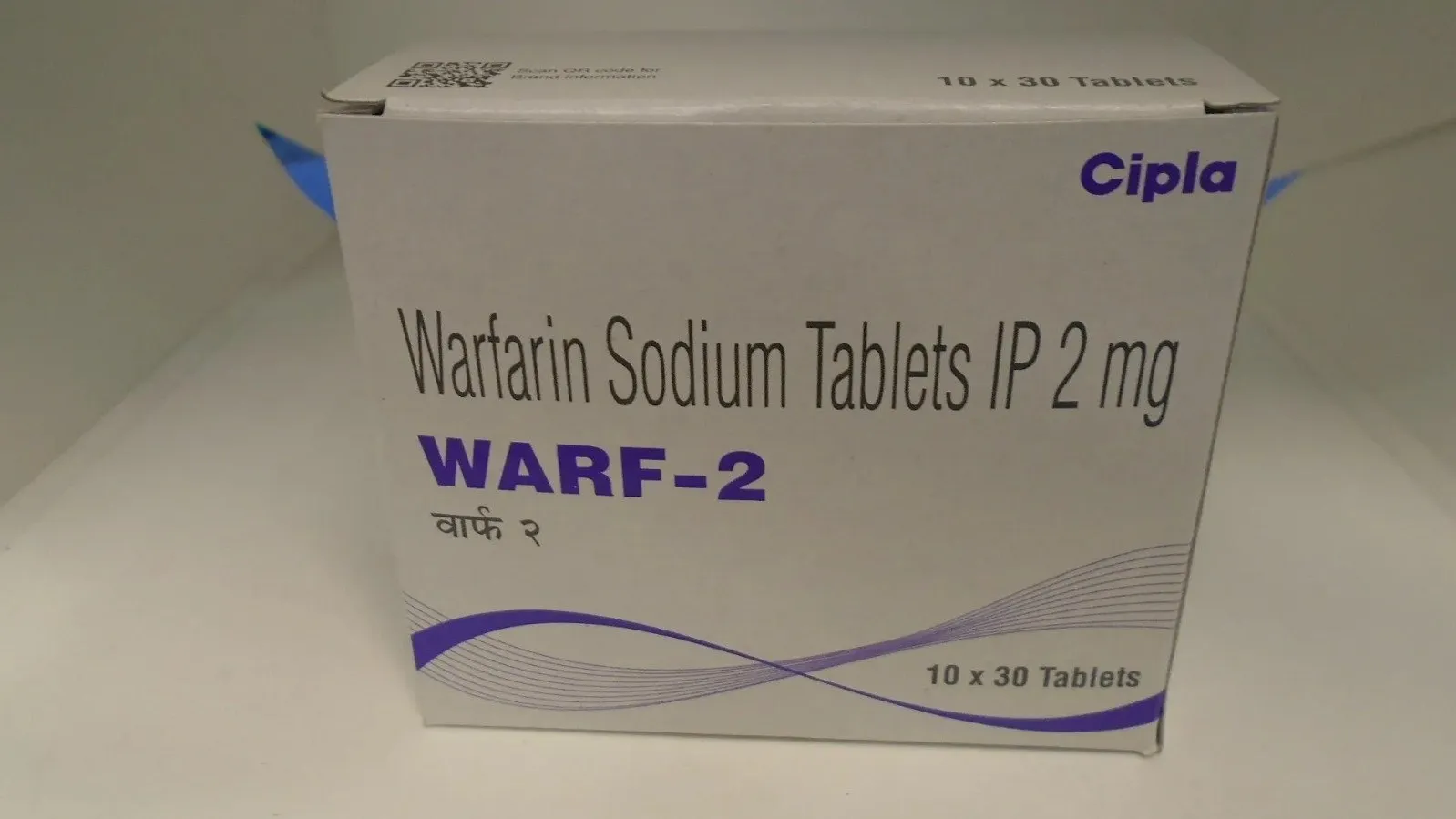
Warf 2 mg Tablets contain Warfarin 2 mg, an oral anticoagulant commonly known as a blood thinner. It is prescribed to help prevent and treat harmful blood clots in the body. Warfarin is used in several conditions where unwanted blood clot formation can increase the risk of serious complications, including certain cases of deep vein thrombosis, pulmonary embolism, atrial fibrillation, and clot formation associated with artificial heart valves.
Warf 2 mg is a prescription medicine and should be used only under the supervision of a qualified healthcare professional. The appropriate dose varies from person to person and is generally adjusted according to blood-clotting tests such as INR.
Phoenix Exim is a medicine exporter from Nagpur, India, supplying pharmaceutical products for international markets including the USA, UK, Australia, Singapore, Canada, South Korea and UAE.
2. Product Information
Product Name: Warf 2 mg Tablets
Active Ingredient: Warfarin 2 mg
Therapeutic Class: Anticoagulant / Antithrombotic
Dosage Form: Oral Tablets
Strength: 2 mg
Manufacturer: Cipla Ltd.
Route of Administration: Oral
Prescription Status: Prescription medicine
Warf 2 mg belongs to the vitamin K antagonist group of anticoagulants. Its treatment effect needs to be monitored because the required dose can differ significantly between individuals.
3. Uses of Warf 2 mg Tablets
Warf 2 mg Tablets may be prescribed for:
Treatment and prevention of deep vein thrombosis (DVT).
Treatment and prevention of pulmonary embolism (PE).
Prevention of blood-clot-related complications in certain patients with atrial fibrillation.
Prevention of clot formation associated with certain artificial heart valves.
Prevention of other thromboembolic complications when anticoagulation is medically indicated.
The exact indication and duration of treatment should be determined by the prescribing healthcare professional.
4. Benefits of Warf 2 mg Tablets
The main therapeutic benefit of Warf 2 mg is its ability to reduce the formation of harmful blood clots.
Potential benefits include:
Helps prevent the formation of new blood clots.
Helps prevent existing clots from becoming larger.
Helps reduce the risk of clot-related complications in appropriate patients.
Supports stroke prevention in selected patients with atrial fibrillation.
Helps reduce clot formation in patients with certain artificial heart valves.
Can provide long-term anticoagulation when clinically appropriate.
Warf 2 mg does not simply act as a general-purpose medicine for circulation; it should only be used when anticoagulant treatment has been medically recommended.
5. Side Effects of Warf 2 mg Tablets
As with other anticoagulants, Warf 2 mg can cause side effects. The most important potential complication is bleeding, which can sometimes be serious.
Possible side effects include:
Easy bruising
Nosebleeds
Prolonged bleeding from cuts
Blood in urine
Blood in stools or dark, tarry stools
Abdominal discomfort
Headache or dizziness
Skin rash or itching
Joint or muscle pain
Hair thinning or hair loss in some patients
Seek urgent medical attention for severe or unexplained bleeding, vomiting blood, black stools, blood in urine, severe headache, marked weakness, or other unusual symptoms.
6. Common Side Effects
Some of the more commonly reported effects associated with Warf 2 mg include:
Easy bruising
Minor bleeding
Nosebleeds
Headache
Dizziness
Abdominal discomfort
Skin irritation or rash
Not everyone experiences side effects. Any unusual, persistent, or worsening symptom should be discussed with a healthcare professional.
7. How to Use Warf 2 mg Tablets
Take Warf 2 mg exactly as prescribed by your doctor.
Take it at approximately the same time each day.
Swallow the tablet with water.
It may generally be taken with or without food, according to your doctor's instructions.
Do not change the strength or frequency yourself.
Do not stop treatment suddenly without medical advice.
Attend all scheduled INR/blood-clotting monitoring appointments.
If you miss a dose, follow your doctor's or pharmacist's instructions; do not double the next dose unless specifically instructed.
Because warfarin has a narrow therapeutic range, even relatively small dose changes can alter its anticoagulant effect.
8. How Warf 2 mg Tablets Work
Warf 2 mg contains warfarin, which works as a vitamin K antagonist. Vitamin K is required by the liver to produce several clotting factors.
Warfarin interferes with the vitamin K cycle and reduces the production of vitamin-K-dependent clotting factors, particularly Factors II, VII, IX and X. This decreases the blood's ability to form harmful clots.
The anticoagulant effect develops gradually, which is why treatment is monitored with blood tests rather than judged only by how the patient feels.
9. Safety Advice for Warf 2 mg Tablets
Bleeding:
Warfarin can cause serious bleeding. Contact your healthcare professional promptly if you experience unusual or prolonged bleeding, blood in urine or stools, vomiting blood, severe headache, or unexplained weakness.
INR Monitoring:
Regular INR testing is essential. Your doctor may adjust your warfarin dose based on your INR results. Never adjust the dose independently.
Other Medicines:
Warfarin interacts with many prescription medicines, over-the-counter medicines, vitamins and herbal products. Tell your doctor or pharmacist about everything you take before starting or changing any medicine.
Painkillers:
Some medicines, including certain NSAIDs and aspirin-containing products, can increase bleeding risk or otherwise affect anticoagulation. Use them only after appropriate medical advice.
Diet:
Maintain a consistent intake of vitamin-K-containing foods rather than making sudden major dietary changes. Discuss significant dietary changes with your healthcare professional.
Alcohol:
Alcohol can affect anticoagulation and may increase bleeding risk. Discuss alcohol consumption with your healthcare professional.
Pregnancy:
Warfarin can cause serious fetal harm and is generally not recommended during pregnancy. Women who are pregnant, planning pregnancy, or who become pregnant while taking warfarin should contact their healthcare professional immediately.
Surgery and Dental Procedures:
Inform your doctor or dentist that you are taking warfarin before any surgery, dental procedure, or invasive treatment.
Medical Identification:
Patients taking long-term warfarin may benefit from carrying medical identification indicating that they use an anticoagulant.
10. FAQs
Q1. What is Warf 2 mg Tablet used for?
Warf 2 mg is an anticoagulant used to prevent and treat certain harmful blood clots, including DVT and pulmonary embolism, and to reduce clot-related risks in selected patients with atrial fibrillation or artificial heart valves.
Q2. What is the active ingredient in Warf 2 mg?
Warf 2 mg contains Warfarin 2 mg.
Q3. Is Warf 2 mg a blood thinner?
Yes. Warf 2 mg is an oral anticoagulant commonly referred to as a blood thinner.
Q4. Does Warf 2 mg dissolve an existing blood clot?
Warfarin primarily prevents the formation of new clots and prevents existing clots from getting larger. It does not directly dissolve a clot.
Q5. Does Warf 2 mg require blood tests?
Yes. Regular blood-clotting monitoring, particularly INR testing, is an important part of safe warfarin treatment.
Q6. Can I stop Warf 2 mg when I feel better?
No. Do not stop warfarin without consulting your doctor because stopping anticoagulation may increase the risk of clot formation.
Q7. Can I take other medicines with Warf 2 mg?
Some medicines can interact significantly with warfarin. Always tell your doctor or pharmacist about prescription medicines, OTC medicines, supplements and herbal products you use.
Q8. Can Warf 2 mg be taken during pregnancy?
Warfarin can seriously harm an unborn baby and should not be used during pregnancy unless specifically directed by a specialist in exceptional circumstances. Consult your doctor immediately if pregnancy is planned or suspected.
Q9. What should I do if I miss a dose?
Follow your doctor's instructions. Do not take a double dose to compensate for a missed dose unless your healthcare professional specifically tells you to do so.
Q10. Is Warf 2 mg prescription medicine?
Yes. Warf 2 mg is a prescription medicine and should be used under appropriate medical supervision.
11. Substitute for Warf 2 mg Tablets
Potential alternatives or substitutes may contain the same active ingredient, warfarin, in an appropriate strength. Examples listed for Warf 2 mg include Uniwarfin 2 mg Tablet and other warfarin 2 mg products.
A substitute should not be selected or switched independently. Warfarin treatment requires individualized dosing and INR monitoring, so any brand or strength change should be confirmed with a doctor or pharmacist.
12. SEO Keywords
Warf 2 mg Tablets exporter from India
Warf 2 mg Tablet supplier India
Warf 2 mg Tablets pharmaceutical exporter
Warf 2 mg wholesale supplier India
Warf 2 mg medicine exporter
Warf 2 mg tablets global supplier
Warf 2 mg tablets export from India
Warfarin 2 mg tablets supplier
Warfarin 2 mg pharmaceutical exporter India
Warfarin 2 mg medicine export
Anticoagulant tablets supplier India
Blood thinner medicine exporter India
Warf tablets supplier from Nagpur
Warf 2 mg tablets international supplier
Warf 2 mg tablets USA export supplier
Warf 2 mg tablets UK export supplier
Warf 2 mg tablets Australia supplier
Warf 2 mg tablets Canada export supplier
Warf 2 mg tablets Singapore supplier
Warf 2 mg tablets South Korea supplier
Warf 2 mg tablets UAE supplier
Warfarin tablets export to USA
Warfarin tablets export to UK
Warfarin tablets export to Australia
Warfarin tablets export to Canada
Warfarin tablets export to Singapore
Warfarin tablets export to South Korea
Warfarin tablets export to UAE
Genuine Warf 2 mg tablets supplier
Trusted Indian pharmaceutical exporter
Indian medicine exporter for global supply
Prescription anticoagulant supplier India
Warf 2 mg global pharmaceutical supply
Warfarin medicine wholesale exporter
Phoenix Exim pharmaceutical exporter India
Keywords