1. General Information
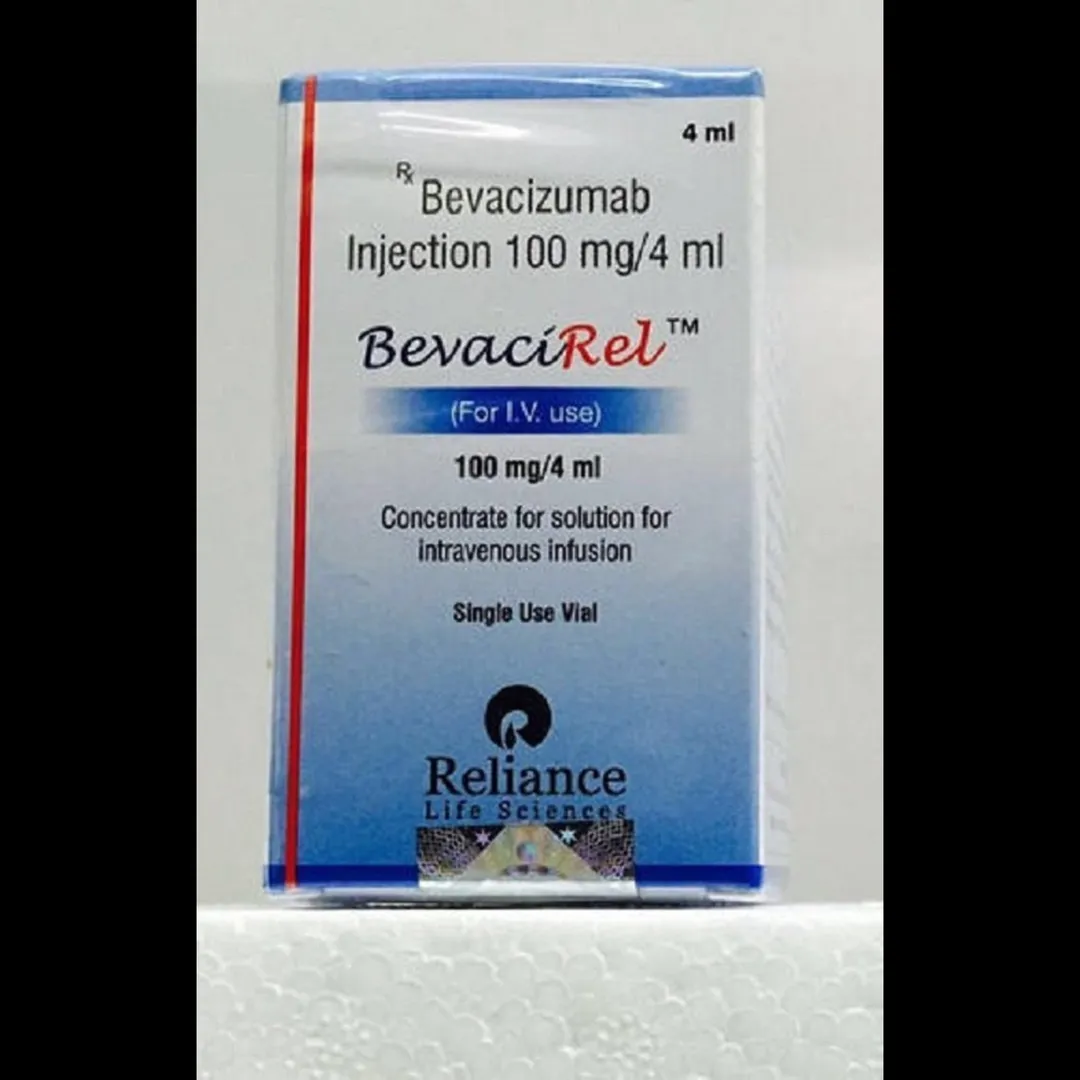
Bevacirel 100 mg Injection is an anticancer medicine containing bevacizumab. It belongs to the class of anti-angiogenic monoclonal antibodies. Bevacizumab targets vascular endothelial growth factor (VEGF), a protein involved in the formation of blood vessels that can supply tumors.
The medicine is generally used in combination with other anticancer treatments, depending on the type and stage of cancer. It is supplied as a prescription product and should be handled and administered by trained healthcare professionals.
2. Product Information
| Product | Bevacirel 100 mg Injection |
|---|---|
| Active ingredient | Bevacizumab |
| Strength | 100 mg/4 mL |
| Drug class | Monoclonal antibody / anti-angiogenic agent |
| Dosage form | Injection/infusion concentrate |
| Route | Intravenous infusion |
| Prescription | Required |
| Storage | Refrigerate at 2–8°C |
| Freezing | Do not freeze |
| Administration | Healthcare professional only |
Product information available from Indian pharmacy references confirms the 100 mg/4 mL presentation and refrigerated storage requirement.
3. Uses of Bevacirel 100 mg
Depending on the approved indication and treatment protocol, bevacizumab may be used for several cancers, including:
- Metastatic colorectal cancer
- Non-small-cell lung cancer (NSCLC)
- Kidney cancer (renal cell carcinoma)
- Cervical cancer
- Ovarian, fallopian tube and primary peritoneal cancers
- Certain other cancers according to the applicable regulatory approval and treatment protocol.
The specific chemotherapy combination and dosing schedule depend on the cancer type and the patient's clinical condition.
4. Benefits of This Medicine
Potential therapeutic benefits of bevacizumab include:
- Helps inhibit the formation of new blood vessels supplying tumors.
- Can slow tumor growth and progression.
- May improve treatment outcomes when appropriately combined with chemotherapy or other anticancer medicines.
- Provides targeted inhibition of the VEGF pathway, which plays an important role in tumor blood-vessel formation.
The benefits vary considerably between cancer types and individual patients.
5. Side Effects
Bevacizumab can cause side effects, and some can be serious. Reported adverse effects include:
- High blood pressure
- Nosebleeds and other bleeding
- Protein in the urine
- Headache
- Weakness or tiredness
- Nausea
- Diarrhea
- Abdominal discomfort
- Changes in taste
- Back pain
- Infusion-related reactions
Serious risks can include significant bleeding, blood clots, gastrointestinal perforation, impaired wound healing, severe hypertension and kidney-related complications. Patients should receive appropriate medical monitoring during treatment.
6. Common Side Effects
Some commonly reported effects include:
- Nosebleed
- Headache
- High blood pressure
- Proteinuria
- Tiredness
- Nausea
- Diarrhea
- Taste changes
- Back pain
- Dry skin
- Bleeding-related symptoms
If symptoms are severe, persistent, or unusual, the treating doctor should be contacted promptly.
7. How to Use Bevacirel 100 mg
Bevacirel should not be self-administered.
It is administered by a qualified healthcare professional through intravenous infusion. The oncologist determines the dose, infusion schedule and duration according to the cancer type, treatment regimen, body weight/clinical factors and response to treatment.
Patients may be monitored during and after infusion for reactions and other treatment-related complications.
8. How Bevacirel Works
Bevacirel contains bevacizumab, which binds to VEGF (vascular endothelial growth factor).
VEGF promotes the development of blood vessels that can provide tumors with oxygen and nutrients. By inhibiting VEGF activity, bevacizumab reduces tumor-associated blood-vessel formation and can consequently slow tumor growth and progression.
9. Safety Advice
- Use only under the supervision of an oncologist or qualified healthcare professional.
- Do not self-inject.
- Tell the doctor about previous bleeding, uncontrolled hypertension, blood-clotting problems, kidney problems or recent surgery.
- Blood pressure and urine protein may need monitoring during treatment.
- Bevacizumab can affect wound healing; inform the doctor before planned surgery.
- Seek urgent medical attention for severe bleeding, chest pain, breathing difficulty, severe abdominal pain, neurological symptoms or other serious reactions.
- Pregnancy requires particular caution because bevacizumab may harm a developing fetus. Discuss contraception and pregnancy planning with the treating physician.
- Store at 2–8°C and do not freeze. Maintain appropriate cold-chain handling during transportation.
- Always check the product label, expiry date, batch details and applicable regulatory requirements before use or export.
10. FAQs
Q1. What is Bevacirel 100 mg Injection?
Bevacirel 100 mg/4 mL is a prescription anticancer injection containing bevacizumab 100 mg.
Q2. What is Bevacirel used for?
It can be used as part of treatment protocols for cancers such as colorectal, non-small-cell lung, kidney, cervical and certain ovarian/fallopian tube/primary peritoneal cancers. The exact approved indications vary by country.
Q3. Can Bevacirel be injected at home?
No. It is administered by a qualified healthcare professional, generally through intravenous infusion.
Q4. How should Bevacirel be stored?
It should generally be refrigerated at 2–8°C and protected from freezing.
Q5. Does Bevacirel require a prescription?
Yes. It is a prescription anticancer medicine.
Q6. Can Bevacirel be used during pregnancy?
Bevacizumab may cause fetal harm. Pregnancy, contraception and treatment planning should be discussed with the treating specialist.
Q7. Is Bevacirel the same active ingredient as Avastin?
Both products contain bevacizumab, but brand, manufacturer, formulation, regulatory status and approved indications can differ. Substitution should be made only by the treating healthcare professional.
11. Substitutes for Bevacirel 100 mg
Other bevacizumab-containing products may be considered alternatives depending on the country, indication, regulatory approval and physician's decision. Examples listed in Indian medicine references include:
- Bevatas 100 mg Injection
- Bevicra 100 mg Injection
- Other approved bevacizumab products/biosimilars
A substitute should not be selected solely on the basis of brand name or price. The oncologist or pharmacist should verify the active ingredient, strength, formulation, indication, regulatory status and interchangeability before substitution.
12. SEO Keywords
For Phoenix Exim, these can be used as B2B/product-search keywords:
- Bevacirel 100 mg Injection supplier India
- Bevacirel 100 mg Injection exporter from India
- Bevacirel 100 mg/4 ml Injection exporter
- Bevacirel 100 mg wholesale supplier India
- Bevacizumab 100 mg Injection supplier
- Bevacizumab 100 mg Injection exporter India
- Bevacizumab injection pharmaceutical exporter
- Bevacirel 100 mg oncology medicine supplier
- Bevacirel 100 mg anticancer injection supplier
- Bevacirel 100 mg medicine exporter Nagpur
- Bevacirel 100 mg pharmaceutical supplier Nagpur India
- Bevacirel 100 mg B2B medicine supplier
- Bevacirel 100 mg wholesale pharmaceutical exporter
- Bevacirel injection supplier for international buyers
- Bevacizumab injection wholesale exporter India
- Bevacirel 100 mg export supplier USA
- Bevacirel 100 mg export supplier UK
- Bevacirel 100 mg export supplier Australia
- Bevacirel 100 mg export supplier Canada
- Bevacirel 100 mg export supplier Singapore
- Bevacirel 100 mg export supplier South Korea
- Bevacirel 100 mg export supplier UAE
- Bevacizumab oncology injection exporter India
- Bevacirel 100 mg cold chain pharmaceutical supplier
- Bevacirel 100 mg prescription medicine exporter
- Bevacirel 100 mg cancer medicine supplier India
- Bevacirel 100 mg international pharmaceutical distributor
- Bevacizumab 100 mg oncology medicine wholesale
- Bevacirel 100 mg pharmaceutical export company India
- Phoenix Exim Bevacirel 100 mg Injection exporter from Nagpur India
Keywords