1. General Information
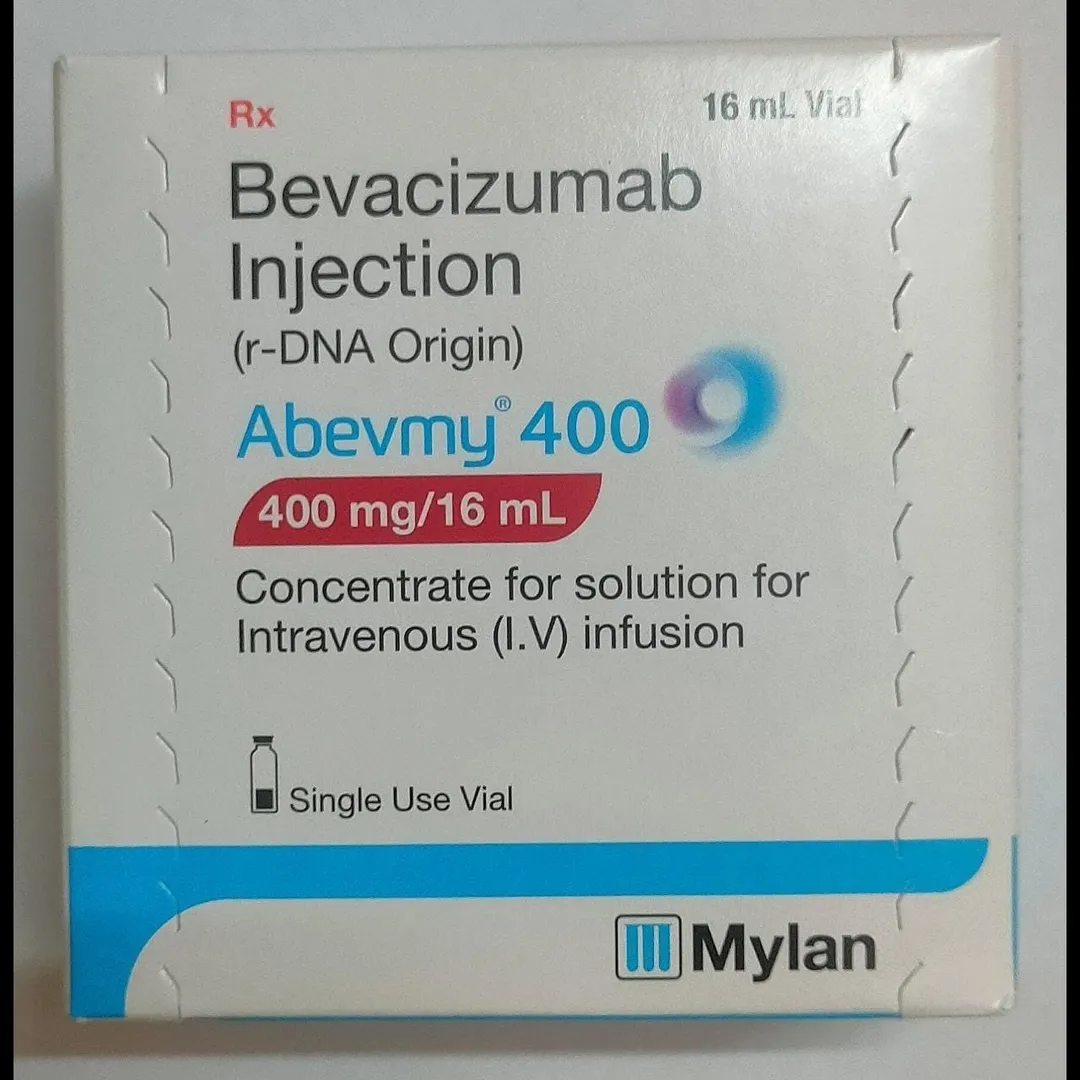
Abevmy is a bevacizumab-based monoclonal antibody medicine used as part of treatment regimens for several types of cancer. It belongs to the class of anti-VEGF (vascular endothelial growth factor) medicines.
Abevmy is a biosimilar medicine to Avastin. Regulatory assessments have established a high degree of similarity in structure, biological activity, pharmacokinetics, efficacy and safety to the reference product for its authorised indications.
Basic information:
- Brand: Abevmy
- Active ingredient: Bevacizumab
- Strength: 400 mg/16 mL
- Concentration: 25 mg/mL
- Dosage form: Concentrate for solution for infusion
- Route: Intravenous (IV) infusion
- Category: Antineoplastic / anti-angiogenic monoclonal antibody
- Prescription status: Prescription-only medicine
2. Product Information
Each 16 mL vial contains 400 mg of bevacizumab, equivalent to 25 mg/mL. It is supplied as a sterile concentrate intended to be diluted before intravenous infusion. The product is supplied in a single-use vial.
Abevmy contains bevacizumab, a recombinant humanised monoclonal antibody produced using recombinant DNA technology. Its formulation also contains excipients used to maintain the stability and quality of the solution.
3. Uses of Abevmy
Depending on the approved indication and treatment regimen, bevacizumab may be used in the management of:
- Metastatic colorectal cancer
- Certain types of non-small-cell lung cancer
- Advanced or metastatic renal cell carcinoma
- Certain ovarian, fallopian-tube and primary peritoneal cancers
- Persistent, recurrent or metastatic cervical cancer
- Certain metastatic breast cancer settings
- Certain cases of recurrent or progressive glioblastoma, depending on the applicable regulatory indication
Abevmy is generally used in combination with other anti-cancer medicines, although the exact combination depends on the cancer type and the applicable product label.
4. Benefits of This Medicine
The principal therapeutic benefit of bevacizumab is its ability to inhibit tumour-associated blood-vessel formation.
Potential treatment benefits include:
- Helps slow the development of new blood vessels supplying a tumour.
- May help restrict tumour growth and progression.
- Can improve disease control when used with appropriate chemotherapy or targeted treatment.
- Provides a biosimilar alternative to the reference bevacizumab product.
- Its use across multiple cancer indications gives oncologists an additional treatment option where approved.
Clinical and regulatory assessments have found Abevmy highly similar to Avastin, with comparable efficacy and safety for authorised uses.
Important: Benefits vary substantially according to cancer type, stage, treatment combination and individual patient characteristics. It is not appropriate to describe Abevmy as a cure for cancer.
5. Side Effects of Abevmy
Like other medicines containing bevacizumab, Abevmy can cause side effects. Some are mild or manageable, while others can be serious.
Potential adverse effects include:
- High blood pressure
- Weakness or tiredness
- Diarrhoea
- Abdominal pain
- Headache
- Nausea
- Nosebleeds
- Protein in the urine
- Infusion-related reactions
- Bleeding
- Blood clots
- Delayed wound healing
- Gastrointestinal perforation
- Fistula formation
- Kidney-related complications
- Cardiovascular or neurological complications
The serious risks of bevacizumab include severe bleeding, gastrointestinal perforation, arterial or venous thromboembolic events, hypertension, proteinuria, infusion reactions and wound-healing complications.
6. Common Side Effects
Commonly reported effects associated with bevacizumab include:
- High blood pressure (hypertension)
- Tiredness or weakness
- Diarrhoea
- Abdominal pain
- Headache
- Nausea
- Nosebleeds
- Proteinuria
- Reduced appetite
- Mouth/throat inflammation
- Hair loss, particularly when used with chemotherapy
- Numbness or tingling of hands and feet, particularly in combination treatment
The precise frequency depends on the treatment regimen and accompanying medicines.
7. How to Use Abevmy 400 mg/16 mL
Abevmy should only be administered by a qualified healthcare professional experienced in cancer treatment.
It is given by intravenous infusion after appropriate preparation and dilution. It must not be administered as an IV push or bolus. The dose and treatment interval are determined by the patient's body weight, cancer type, treatment combination and applicable prescribing information.
The first infusion is generally administered slowly, with subsequent infusions potentially being given over a shorter period if previous treatment was well tolerated.
Do not self-administer this injection. The treating oncologist determines the appropriate dose and schedule.
8. How This Medicine Works
Abevmy contains bevacizumab, which targets vascular endothelial growth factor (VEGF).
VEGF plays an important role in the formation of new blood vessels. Tumours can use newly formed blood vessels to obtain oxygen and nutrients needed for growth.
Bevacizumab binds to VEGF and inhibits its activity. This can reduce the formation of new blood vessels around the tumour and thereby help slow tumour growth and progression.
In simple terms:
Abevmy → binds VEGF → reduces VEGF activity → reduces tumour blood-vessel formation → may slow tumour growth.
9. Safety Advice
Important safety considerations include:
- Use only under the supervision of an oncologist or appropriately qualified healthcare professional.
- Check blood pressure regularly during treatment.
- Patients should be monitored for protein in the urine and kidney-related complications.
- Inform the doctor about any planned surgery.
- Bevacizumab can interfere with wound healing; treatment may need to be withheld around major surgery according to the prescribing information.
- Tell the doctor about previous heart attack, stroke, blood clots, bleeding problems or uncontrolled hypertension.
- Inform the healthcare professional about pregnancy or plans to become pregnant.
- Seek immediate medical attention for severe bleeding, severe abdominal pain, chest pain, sudden weakness, severe headache, breathing difficulty or other serious symptoms.
- Abevmy is not formulated or approved for direct injection into the eye; unapproved intravitreal use has been associated with serious ocular complications.
- Do not use the product if the patient has a known serious hypersensitivity to bevacizumab or its ingredients.
10. Frequently Asked Questions (FAQs)
Q1. What is Abevmy 400 mg/16 mL?
Abevmy 400 mg/16 mL is a bevacizumab-containing anti-cancer injection supplied as a concentrate for intravenous infusion.
Q2. Is Abevmy a biosimilar?
Yes. Abevmy is a biosimilar of Avastin (bevacizumab).
Q3. What is the active ingredient?
The active ingredient is bevacizumab.
Q4. What is the strength of Abevmy 400 mg/16 mL?
It contains 400 mg bevacizumab in 16 mL, corresponding to 25 mg/mL.
Q5. How is Abevmy administered?
It is administered as an intravenous infusion by qualified healthcare professionals.
Q6. Can Abevmy be self-injected?
No. It is a hospital/clinical-use infusion medicine and should be administered under medical supervision.
Q7. What cancers can bevacizumab be used for?
Depending on the country's approved label, bevacizumab can be used for several cancers, including colorectal, lung, kidney, ovarian/fallopian-tube/peritoneal, cervical and certain breast cancers.
Q8. Does Abevmy cure cancer?
Abevmy is an anti-cancer treatment that can help control tumour growth in appropriate patients. It should not be described as a guaranteed cure.
Q9. Is Abevmy available in 100 mg and 400 mg strengths?
Yes. Regulatory product information lists 100 mg/4 mL and 400 mg/16 mL presentations.
Q10. Who decides the dose?
The treating oncologist determines the dose and treatment schedule according to the cancer type, patient's weight, treatment regimen and applicable prescribing information.
11. Substitute for Abevmy
Because Abevmy is a bevacizumab biosimilar, possible alternatives may include other bevacizumab products/biosimilars, subject to availability and regulatory approval in the destination country.
The reference product is:
- Avastin – Bevacizumab
Other bevacizumab biosimilars may also be available in particular markets. However, a substitute should not be selected solely on the basis of the same strength. The prescribing oncologist and pharmacist should determine whether substitution is appropriate based on the patient's indication, local regulations, product authorisation and treatment protocol.
12. SEO / B2B Keywords
For Phoenix Exim, Nagpur, India, these keywords can be used for product listings, B2B catalogues and SEO content:
- Abevmy 400mg/16ml injection supplier
- Abevmy 400mg/16ml injection exporter India
- Abevmy 400mg injection exporter from Nagpur
- Bevacizumab 400mg/16ml injection supplier
- Bevacizumab injection exporter India
- Bevacizumab 400mg/16ml wholesale supplier
- Abevmy injection wholesale supplier
- Abevmy 400mg/16ml pharmaceutical exporter
- Abevmy biosimilar bevacizumab supplier
- Bevacizumab biosimilar exporter India
- Abevmy 400mg injection international supplier
- Abevmy 400mg/16ml B2B supplier
- Abevmy injection pharmaceutical distributor
- Bevacizumab oncology injection supplier India
- Abevmy cancer medicine exporter India
- Abevmy 400mg/16ml supplier USA
- Abevmy 400mg/16ml supplier UK
- Abevmy 400mg/16ml supplier Australia
- Abevmy 400mg/16ml supplier Singapore
- Abevmy 400mg/16ml supplier Canada
- Abevmy 400mg/16ml supplier South Korea
- Abevmy 400mg/16ml supplier UAE
- Bevacizumab injection supplier USA
- Bevacizumab injection supplier UK
- Bevacizumab injection supplier Australia
- Bevacizumab injection supplier Canada
- Bevacizumab injection supplier Singapore
- Bevacizumab injection supplier South Korea
- Bevacizumab injection supplier UAE
- Phoenix Exim Abevmy 400mg/16ml exporter Nagpur India
Keywords